Is Light Steel More Durable for Industrial Roof Design?

05 May 2026

Is Light Steel More Durable for Industrial Roof Design?

Share:

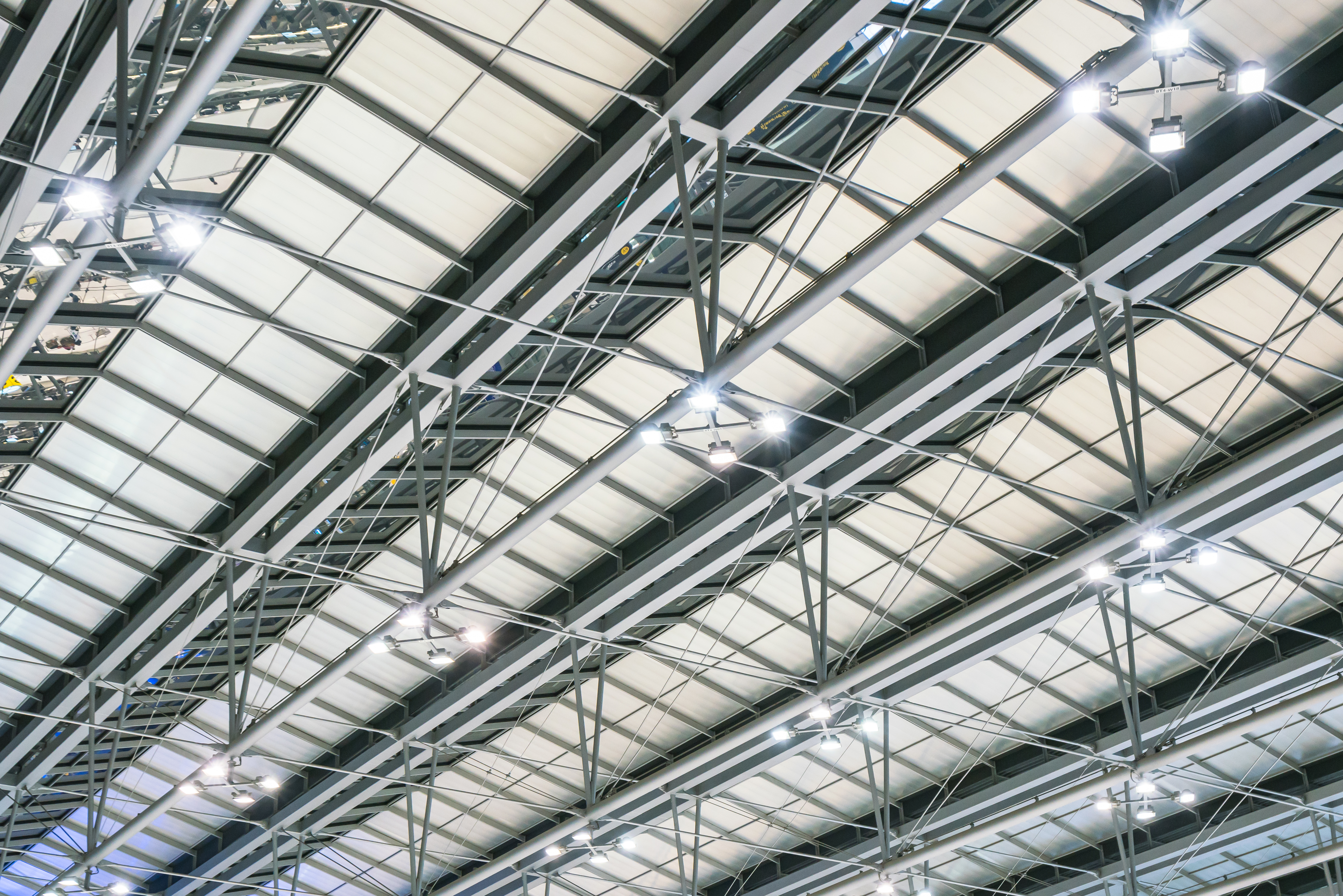
background-indoor-terminal-departure-metal.jpg


Image by Freepik


The rapidly evolving world of modern construction has increased the demand for materials that are strong, durable, and efficient—especially in industrial buildings. Roofing is one of the most critical components, as it protects the entire structure from heat, rain, dust, and exposure to extreme environmental conditions.

Therefore, the selection of lightweight steel roofing for industrial buildings has become a widely discussed topic among contractors, developers, and building owners.

Lightweight steel is known as a construction material that offers high strength while remaining relatively light. In industrial projects such as factories, warehouses, and production facilities, lightweight steel roofing is considered an efficient and long-lasting solution.

However, many people still question whether lightweight steel roofing is truly more durable than other materials.

This article will discuss material trends in industrial buildings, the advantages of lightweight steel roofing, its resistance to industrial environments, and the long-term value it offers. Let’s explore the full details!


Material Trends in Industrial Buildings
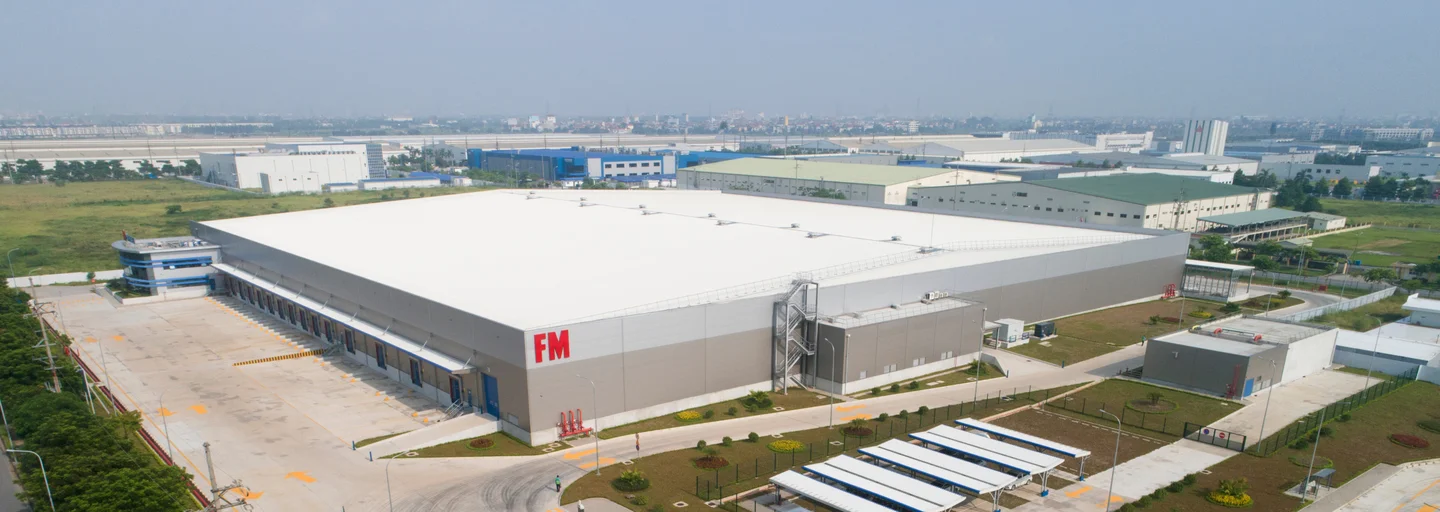
filters_no_upscale()_quality(85) (2).webp

Image by NSBlueScope


Advancements in construction technology have transformed how industrial buildings are designed and built. While heavy materials such as concrete and conventional steel once dominated, lightweight steel is now becoming the preferred option due to its efficiency.


Industrial buildings require not only strength but also flexibility, faster construction time, and cost efficiency. As a result, lightweight steel roofing is increasingly used across various industrial projects.

The Need for Strong and Efficient Structures

Industrial buildings such as warehouses and distribution centers have different characteristics compared to residential or typical commercial buildings. Their structures must support heavy loads, including production machinery, electrical systems, ventilation systems, and other operational equipment.

You need roofing materials that do not overload the main structure while still providing optimal strength. Lightweight steel offers a high strength-to-weight ratio, making it an ideal solution.

This material can withstand pressure and loads without adding excessive weight to the building structure.

In addition, lightweight steel supports construction efficiency. Its fast installation process allows industrial projects to be completed more quickly, enabling operations to begin sooner.

This efficiency is one of the main reasons lightweight steel roofing is becoming increasingly popular in modern industrial facilities.

Challenges of Extreme Weather in Industrial Buildings

Industrial buildings are typically large and located in open areas, making them more exposed to extreme weather conditions. Intense sunlight, heavy rain, strong winds, and high humidity are major challenges.

You need to ensure that roofing materials can withstand these conditions without deteriorating quickly. If roofing materials are not weather-resistant, the risk of leaks, corrosion, and structural damage increases.

Lightweight steel is designed to handle harsh environmental conditions. Its protective coating helps prevent rust and maintain structural strength over time.

With strong weather resistance, lightweight steel roofing is becoming an increasingly relevant choice for industrial buildings.

The right material also needs to be supported by professional planning. Various architectural design tools such as AutoCAD, SketchUp, and BIM help architects create faster and more accurate plans through technical drawings, 3D models, and realistic visualizations.

With design software, collaboration becomes easier, ensuring that the building concept is clearly understood by all stakeholders.


Advantages of Lightweight Steel Roofing for Industrial Buildings
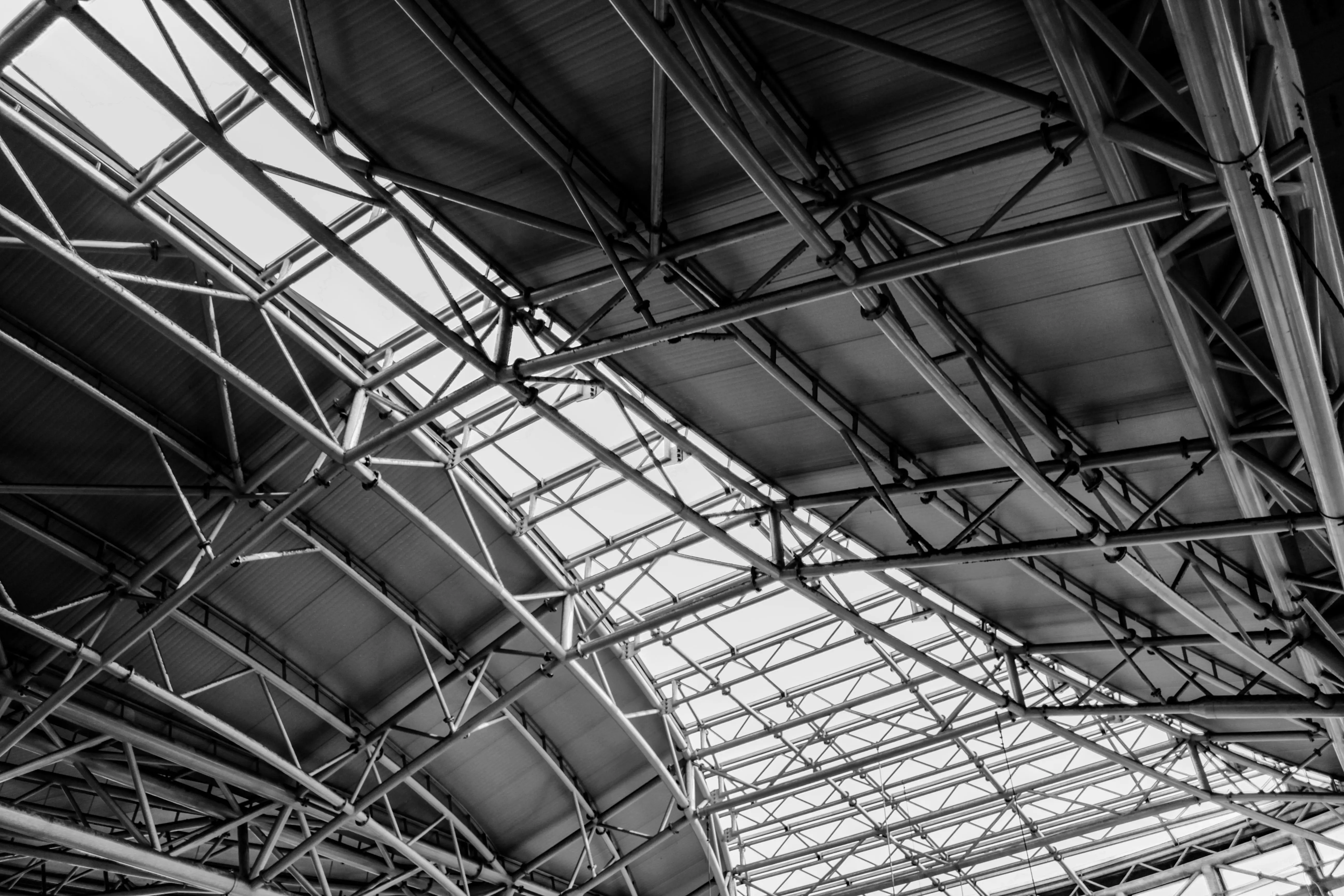
pexels-phael-8633645.webp


Image by Pexels


Lightweight steel roofing offers various advantages that make it suitable for industrial applications. It is not only strong but also provides efficiency in construction and improved durability.

These advantages have led many industrial projects to adopt lightweight steel as the primary roofing structure. Here are some of its key benefits:

Lightweight Yet Strong Structure

One of the main advantages of lightweight steel is its low weight combined with high strength. It can support loads without putting excessive pressure on the building structure.

You don’t need to worry about its strength, as it is engineered with modern technology to withstand loads and stress. Lightweight steel structures are also more stable than wood, which can decay, or conventional steel, which is heavier.

Additionally, lightweight steel does not easily deform. It does not expand or contract excessively due to temperature changes, keeping the roof structure stable.

This strength and stability make lightweight steel an ideal choice for large-scale industrial buildings.

Installation Efficiency for Large Projects

In industrial projects, construction time is a crucial factor. The faster a building is completed, the sooner operations can begin.

Lightweight steel roofing offers a faster installation process compared to conventional materials. Components are typically manufactured with precise dimensions, making installation more efficient.

You can also save on labor costs, as the installation process is simpler and less time-consuming. This is especially beneficial for large-scale industrial projects that require time efficiency.

Moreover, lightweight steel construction systems make future maintenance and repairs easier if needed.


Durability of Lightweight Steel in Industrial Environments

Industrial environments are more demanding than typical buildings. Exposure to chemicals, dust, high humidity, and extreme temperature changes can affect roofing materials.

Therefore, the durability of lightweight steel in such environments is a crucial factor to consider.

Resistance to Corrosion and Humidity

Corrosion is one of the biggest threats to metal materials. In industrial environments, the risk is higher due to chemical exposure and high humidity levels.

Lightweight steel is generally coated with protective layers such as zinc or aluminum-zinc to prevent rust. These coatings help maintain strength even in harsh conditions.

You can use lightweight steel in warehouses, factories, or production facilities without worrying about damage caused by moisture. It is designed to last long with minimal maintenance.

With strong corrosion resistance, lightweight steel roofing provides better safety and durability.

Long-Term Structural Stability

In addition to corrosion resistance, lightweight steel also offers excellent long-term structural stability. It does not crack, rot, or easily deform.

You can rely on it to maintain roof strength for years. This stability is essential for industrial buildings that operate continuously.

A stable structure minimizes damage risks and helps maintain building safety while reducing long-term repair costs.

Long-Term Value for Industrial Buildings

Using lightweight steel roofing not only provides strength and durability but also offers long-term value.

In industrial projects, investing in the right material leads to better cost and operational efficiency.

Reduced Maintenance Costs

One of the main advantages of lightweight steel is its relatively low maintenance cost. It does not require frequent repainting or routine replacement.

You can save on maintenance expenses because it resists rust and damage effectively. With minimal upkeep, industrial buildings can continue operating optimally.

If damage occurs, repairs are also easier and faster, making operational costs more efficient.

Improved Operational Efficiency

Lightweight steel roofing also supports operational efficiency. Its lighter structure reduces the overall building load, resulting in a more stable construction system.

It also allows for wider roof spans with fewer supporting columns, creating more flexible spaces for production activities.

This efficiency is crucial in industrial environments that require large working areas and optimized building systems.


Conclusion: Is Lightweight Steel the Ideal Solution?

Lightweight steel roofing in industrial buildings offers many advantages, making it an attractive option in modern construction. It provides a strong yet lightweight structure, efficient installation, and good resistance to industrial environments.

You can use lightweight steel for various industrial needs, from warehouses and factories to large-scale production facilities—such as its application in the Lysaght Cibitung Factory.

In addition, low maintenance costs and operational efficiency make it a valuable long-term investment.

If you are looking for a strong, durable, and efficient roofing material for industrial buildings, lightweight steel can be an ideal solution. With proper planning and high-quality materials, your industrial building can have a robust and long-lasting roof structure.

COLORBOND® Steel from BlueScope can be an excellent choice for high-quality lightweight steel roofing. With 60 years of experience, COLORBOND® Steel is recognized as a global brand of premium coated steel, continuously evolving through innovation.

As a premium coated steel material, it excels not only in quality and innovation but also provides long-term peace of mind with technologies such as Thermatech® and Clean Technology—ensuring durability, aesthetics, and low maintenance.

It also comes with a corrosion resistance warranty of up to 35 years and a color warranty of up to 12 years, ensuring consistent performance and appearance in various environmental conditions.

Contact us for consultation and orders. Visit our product page to find the best solution for your needs.