05 May 2026
Corrosion on Metal Roofs: Colorbond Steel is the Solution
Corrosion on Metal Roofs: Colorbond Steel is the Solution
Share:


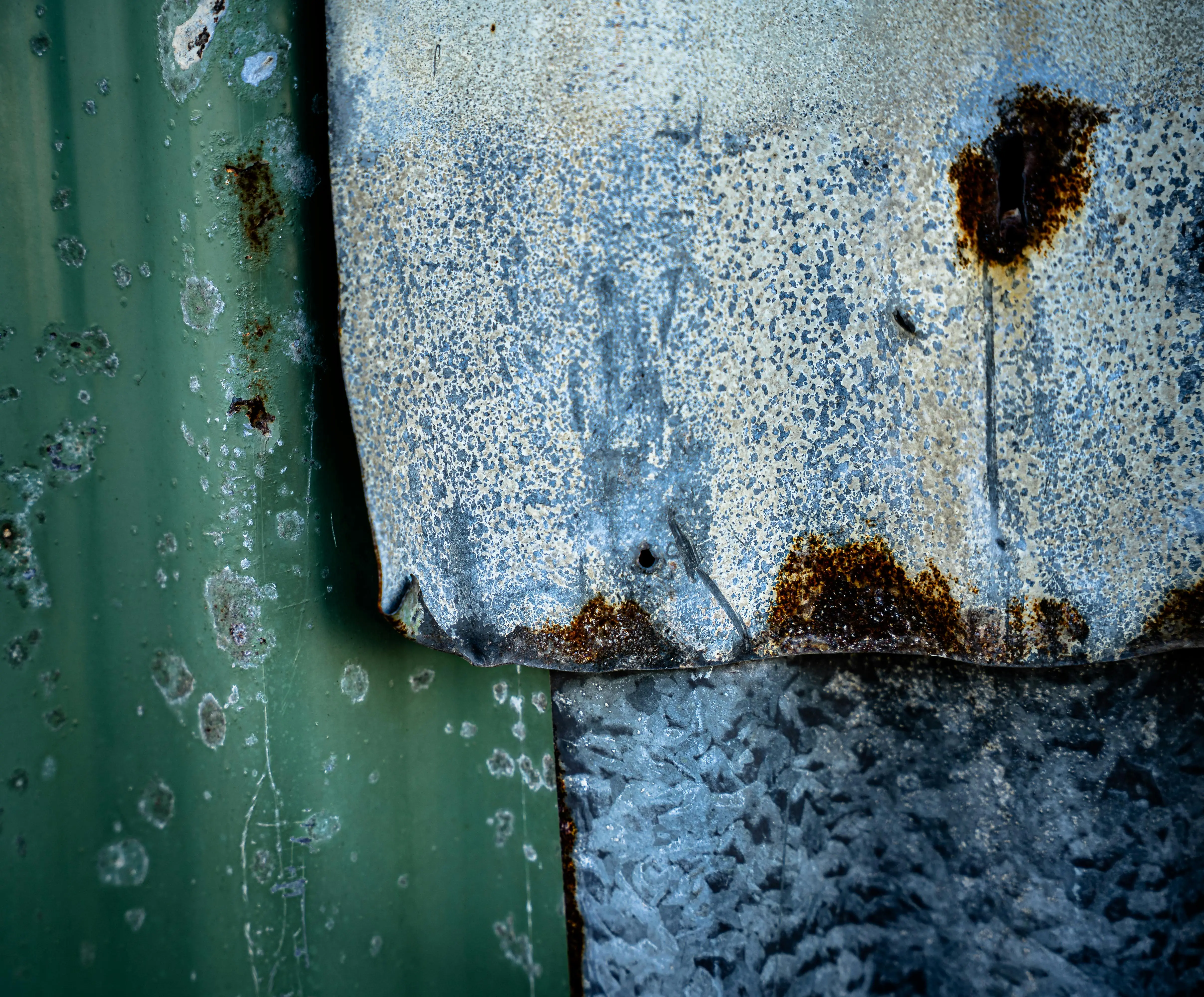
Image by Pexels
Metal roofing has become an increasingly popular material choice in modern construction. Many homeowners, contractors, and property developers choose metal roofs for their strength, lightweight nature, and ability to withstand various weather conditions.
However, behind these advantages, there is one issue that often becomes a primary concern: corrosion.
Corrosion in metal roofing can reduce material strength, shorten its lifespan, and even cause structural damage if not properly addressed. Therefore, choosing corrosion-resistant metal roofing materials is an essential step to ensure buildings remain safe and durable.
If you are planning to build a house, warehouse, factory, or commercial property, understanding the causes of corrosion and how to prevent it will help you select the right material.
This article will comprehensively discuss what corrosion is, its causes, anti-corrosion metal roofing technologies, and tips for choosing materials that are more durable in the long term.
What Is Corrosion in Metal Roofing?
Corrosion is a natural process that occurs when metal reacts with its surrounding environment, especially water, air, and certain chemicals. In metal roofing, corrosion usually appears as rust or surface degradation.
This process can occur gradually and is often not visible in its early stages. However, if left untreated, corrosion can cause serious damage to the roof structure and reduce building safety.
How Corrosion Occurs in Metal
Corrosion happens when metal undergoes a chemical reaction with oxygen and water in the environment. This reaction leads to oxidation, causing the metal to rust or degrade in quality.
In metal roofs, corrosion typically starts on surfaces exposed to rainwater or high humidity. When the protective layer of the metal begins to deteriorate, oxygen and water can directly react with the base material.
You may not immediately notice the impact, but over time, the metal surface will change color, become rough, and eventually suffer structural damage. This is why corrosion protection is crucial when selecting roofing materials.
Environmental conditions such as high temperatures, heavy rainfall, and pollution can also accelerate corrosion. Without proper protection, metal roofing is at a higher risk of faster deterioration.
Impact of Corrosion on Metal Roof Structures
Corrosion affects not only the appearance of metal roofs but also the overall structural strength of a building. If left untreated, it can cause material thinning and make the roof fragile.
Roof leaks or structural failures due to corrosion can lead to increased repair costs and disrupt activities inside the building.
Another impact is the reduced lifespan of the material. A roof that should last for decades may deteriorate much faster without proper anti-corrosion protection.
Additionally, corrosion diminishes the building’s aesthetic value. Rusted surfaces appear dull and unattractive, lowering the visual appeal of the property.
Causes of Corrosion in Metal Roofing
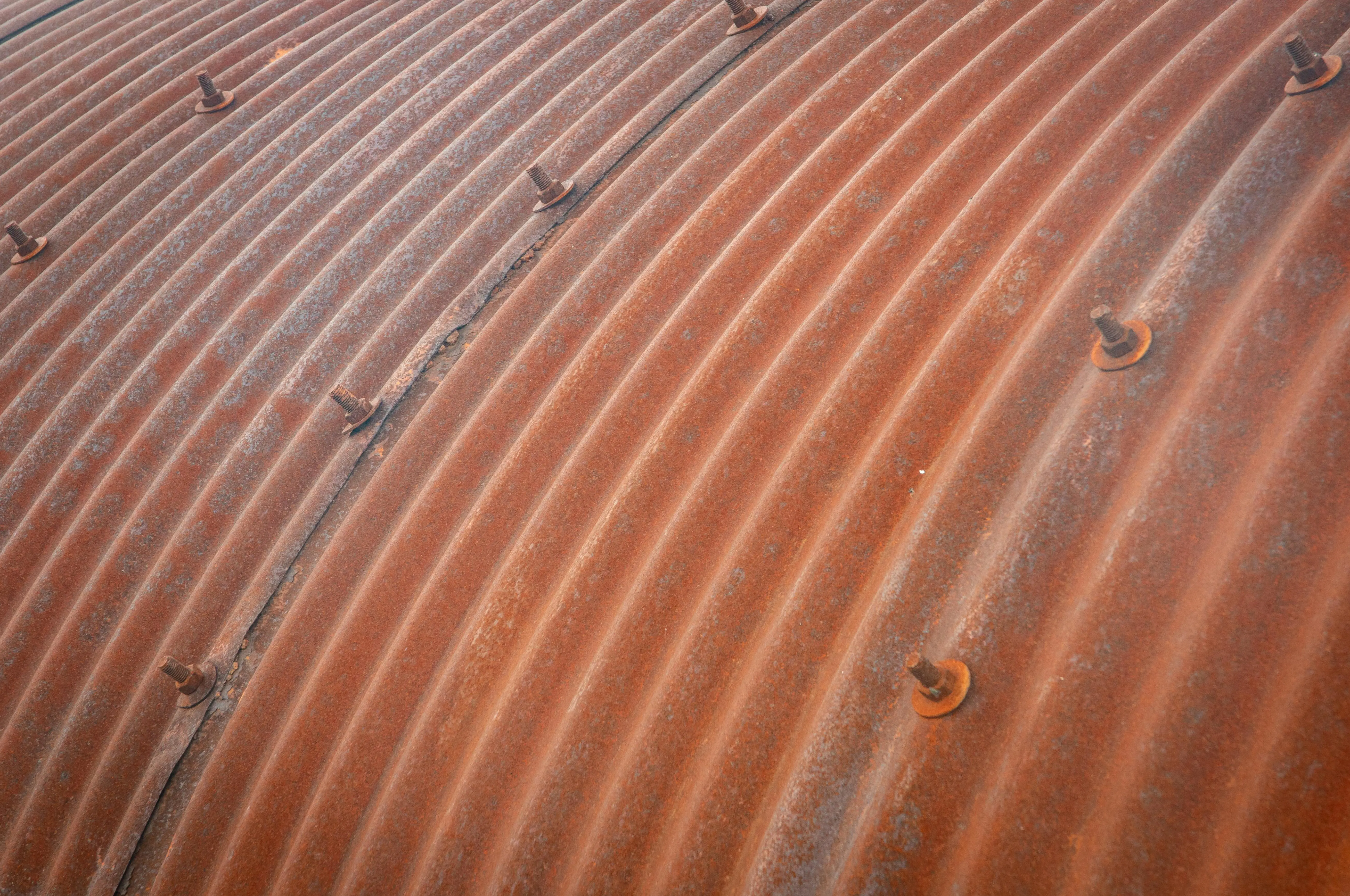
Image by Pexels
Corrosion does not occur without cause. Several environmental factors can accelerate the process and damage materials more quickly.
Understanding these causes will help you prevent damage early and choose more durable materials.
Exposure to Moisture and Rainwater
One of the main causes of corrosion is moisture and rainwater. Water that settles on metal surfaces can trigger chemical reactions leading to oxidation.
In tropical regions like Indonesia, high rainfall increases the frequency of exposure. Without proper protective layers, the risk of corrosion becomes higher.
It is important to ensure that your metal roof has adequate protection against water and humidity. Coating systems play a key role in preventing corrosion.
Proper roof drainage systems are also essential to prevent water from pooling on the surface, as standing water accelerates rust formation.
Environments with Salt or Pollution
Areas with high salt content, such as coastal regions, pose a greater corrosion risk. Salt accelerates chemical reactions in metals, causing rust to develop more quickly.
Air pollution from vehicles and industries also contributes to corrosion. Chemical particles in the air can settle on metal surfaces and trigger degradation.
If your building is located in coastal or industrial areas, choosing corrosion-resistant roofing materials is crucial. Materials with specialized protective coatings perform better under such harsh conditions.
Anti-Corrosion Metal Roofing Technology
Image by Pexels