04 Jun 2026
Extreme Environments Demand the Right Industrial Roofing Design
Extreme Environments Demand the Right Industrial Roofing Design
Share:


Extreme environments pose significant challenges for industrial buildings, especially the roof, which serves as the primary protection against heat, rain, and humidity.
In such conditions, material selection cannot be done carelessly, as every construction element directly affects building durability. One of the most common factors causing roof damage is corrosion.
Corrosion is the deterioration of metal materials due to chemical reactions with environmental elements such as water, oxygen, and other chemicals, leading to rust or reduced material quality.
In industrial buildings, corrosion not only damages the appearance of the roof but can also compromise structural integrity, increase maintenance costs, and shorten the overall lifespan of the building.
Therefore, extreme environments demand industrial roofing designs specifically engineered to withstand these challenges. Choosing the right roofing material becomes a strategic step to ensure buildings remain safe, efficient, and durable over time.
Environmental Challenges in Industrial Buildings
Industrial environments are far more complex than typical buildings. Exposure to weather, pollution, and intensive operations requires roofing systems to perform at a higher level to maintain building stability.
Here are some key challenges to consider:
Exposure to Heat, Rain, and High Humidity
Industrial buildings in tropical regions experience cycles of intense heat and heavy rainfall throughout the year. High solar exposure can cause material expansion, while rain and humidity accelerate deterioration.
This makes roofing one of the most vulnerable elements if not built with high-quality materials. Repeated temperature changes can create micro-cracks on the roof surface, allowing water infiltration and accelerating structural damage.
In such conditions, using roofing materials designed for extreme environments is essential. Advanced coating systems and protective technologies help maintain roof stability under extreme weather conditions.
As a solution, using COLORBOND® Steel can help protect roofs from heat exposure and high humidity, ensuring optimal building protection.
Corrosion Risks in Conventional Materials
Conventional metal materials generally lack sufficient protection against extreme environments. Continuous exposure to air and water leads to oxidation, causing rust formation.
Corrosion is a major threat to industrial roofing because it reduces material thickness and weakens structural strength. Over time, corroded roofs are more prone to leaks and failure.
The risk increases in coastal areas or heavy industrial zones where salt and chemical content in the air accelerate corrosion. Without proper protection, corrosion can spread quickly and become difficult to repair.
To mitigate this risk, using roofing materials with corrosion protection technology such as COLORBOND® Steel is a reliable solution designed for extreme environments.
Impact on Building Lifespan
Roof damage caused by extreme environments affects not only structure but also the overall lifespan of the building. Corroded roofs require more frequent maintenance and earlier replacement.
Corrosion is a key factor that accelerates the degradation of industrial buildings if not addressed early. Leaks, structural damage, and disruptions to production can result from inadequate roofing materials.
By selecting the right roofing material, you can extend building lifespan while maintaining operational efficiency. High-quality roofing systems reduce damage risks and ensure long-term performance.
Why Roofing Materials Are Critical
Roofing materials are not just coverings but serve as the main defense against environmental risks. Therefore, material selection is crucial in ensuring industrial building durability.
The Role of Steel Coating in Corrosion Resistance
Modern steel coatings are designed to provide maximum protection against extreme environments. Aluminum and zinc layers act as barriers between metal and environmental exposure, slowing oxidation.
Corrosion is a gradual process, making protective coatings essential for long-term material performance. Advanced coating technologies improve resistance to heat, rain, and humidity.
COLORBOND® Steel uses AZ150–AZ200 coatings that provide optimal corrosion protection, ensuring longer-lasting performance even in extreme conditions.
Relationship Between Materials and Maintenance Costs
High-quality roofing materials significantly reduce maintenance costs. Corrosion-resistant roofs require less frequent repairs.
Corrosion is one of the main drivers of increased maintenance expenses in industrial buildings. Repairs, replacements, and operational downtime can become costly burdens.
By using COLORBOND® Steel, maintenance costs can be minimized thanks to its super polyester paint system and Clean Technology, which ensure durability and ease of upkeep.
Additionally, corrosion warranties of up to 35 years and color warranties of up to 12 years provide greater assurance for users.
Impact on Long-Term Operations
The right roofing materials directly influence long-term industrial operations. Well-protected buildings are more stable and safer to operate.
Corrosion is a threat that can disrupt operations by causing unexpected roof failures. Leaks or structural damage can halt production and increase safety risks.
With Thermatech technology that reflects solar heat, COLORBOND® Steel helps maintain stable indoor temperatures and improves energy efficiency.
This results in more comfortable, efficient, and safe industrial operations over time.
Strategies for Choosing Roofing in Extreme Conditions
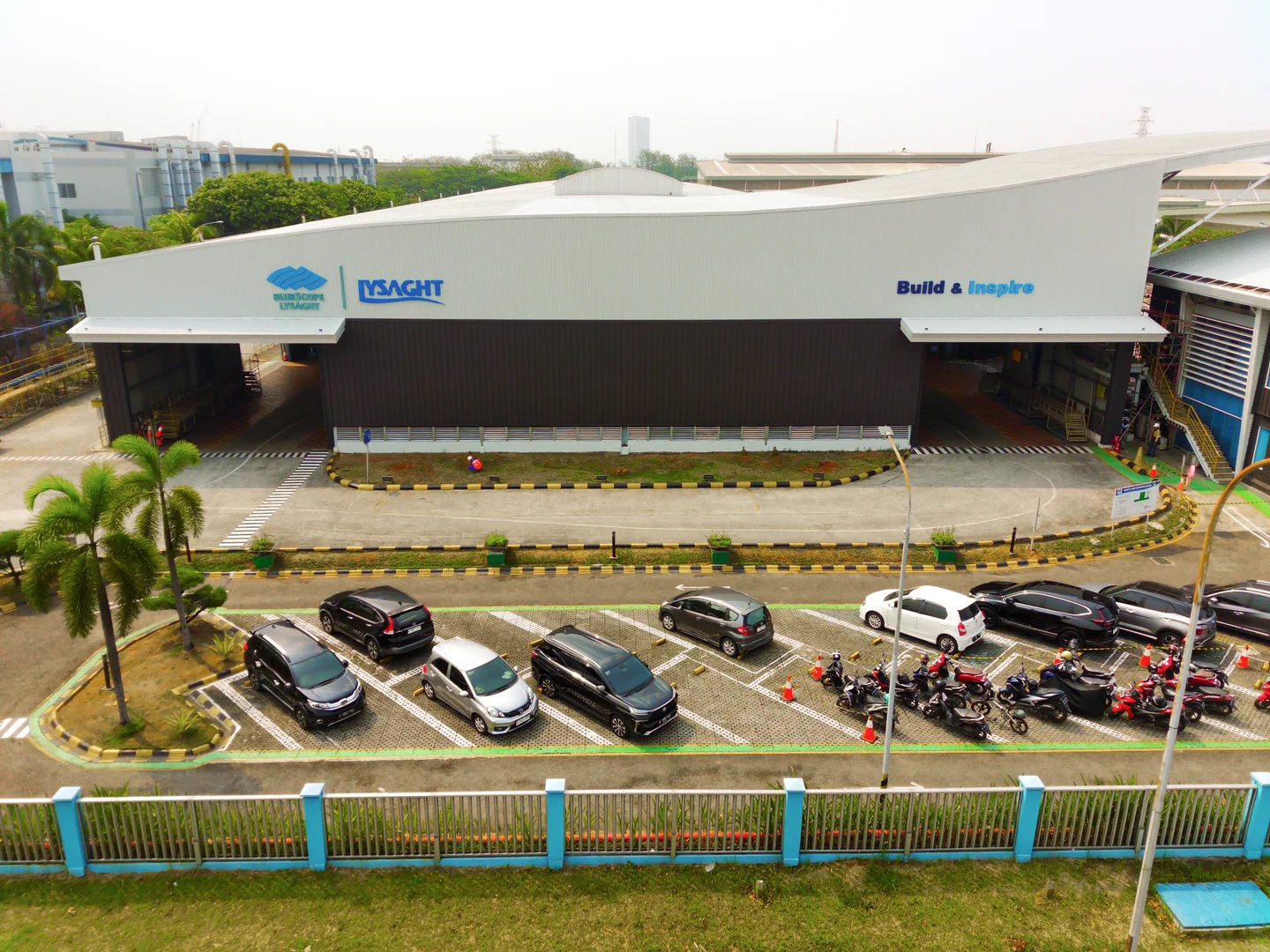
Choosing roofing for extreme environments requires careful planning to ensure long-term building performance. Every factor must be thoroughly considered.
Location Considerations (Coastal Areas, Heavy Industry)
Location is a primary factor in determining the appropriate roofing system. Coastal areas have high salt content, while industrial zones contain pollutants and chemicals that accelerate material degradation.
Corrosion risk is particularly high in these environments, requiring roofing materials with enhanced protection.
COLORBOND® Steel is designed for various environmental conditions, including coastal and industrial areas, offering maximum corrosion resistance.
Heat Reflection Performance and Durability
In addition to corrosion resistance, heat reflectivity is a key factor. Roofs that reflect heat help reduce indoor temperatures.
Corrosion can accelerate under high temperatures, so materials with heat-reflective technology improve durability.
Thermatech technology in COLORBOND® Steel reduces heat absorption and enhances workplace comfort while extending roof lifespan and improving energy efficiency.
Importance of Tested Roofing Systems
Tested roofing systems provide assurance of quality and long-term performance. Products that have undergone rigorous testing typically meet higher standards.
Corrosion requires solutions backed by advanced technology and proven testing. Choosing a reliable roofing system is essential.
COLORBOND® Steel has undergone extensive testing for resistance to heat, rain, and corrosion, making it a strong choice for modern industrial buildings.
Conclusion
Extreme environments demand the right type and design of industrial roofing to ensure long-term durability. Heat, rain, humidity, and pollution are major challenges that accelerate material degradation.
Corrosion is a serious threat that can weaken roofs and shorten building lifespan. Therefore, using materials with advanced protective technologies is an effective solution.
COLORBOND® Steel is an excellent choice for industrial roofing needs, especially in extreme environments. With over 60 years of experience, COLORBOND® Steel from BlueScope is recognized globally as a high-quality coated steel brand that continues to evolve through innovation.
It offers Thermatech technology, AZ150–AZ200 coatings, a super polyester paint system, Clean Technology, corrosion warranties of up to 35 years, and color warranties of up to 12 years.
By selecting the right roofing system, you can maintain building stability, reduce maintenance costs, and ensure optimal industrial operations in the long term.
Contact us now and consult your industrial roofing needs with the BlueScope team to find the best solution for your project.
FAQ
What is corrosion?
Corrosion is the deterioration of metal due to chemical reactions with environmental elements such as water, oxygen, and chemicals, resulting in rust.
Why is corrosion dangerous for industrial roofing?
It weakens structural integrity, causes leaks, and shortens building lifespan.
How can corrosion be prevented on roofs?
Using coated steel materials and protective technologies such as COLORBOND® Steel can help prevent corrosion.
Is corrosion-resistant roofing suitable for coastal areas?
Yes, it is specifically designed to withstand high salt content in coastal environments.
Why choose COLORBOND® Steel for industrial roofing?
Because it offers advanced protection technology, long warranties, and is designed for extreme environments and long-term operations.