23 Apr 2026
The Secret Behind Modern Stadium Structural Design: Combining Long Spans and Steel Materials
The Secret Behind Modern Stadium Structural Design: Combining Long Spans and Steel Materials
Share:


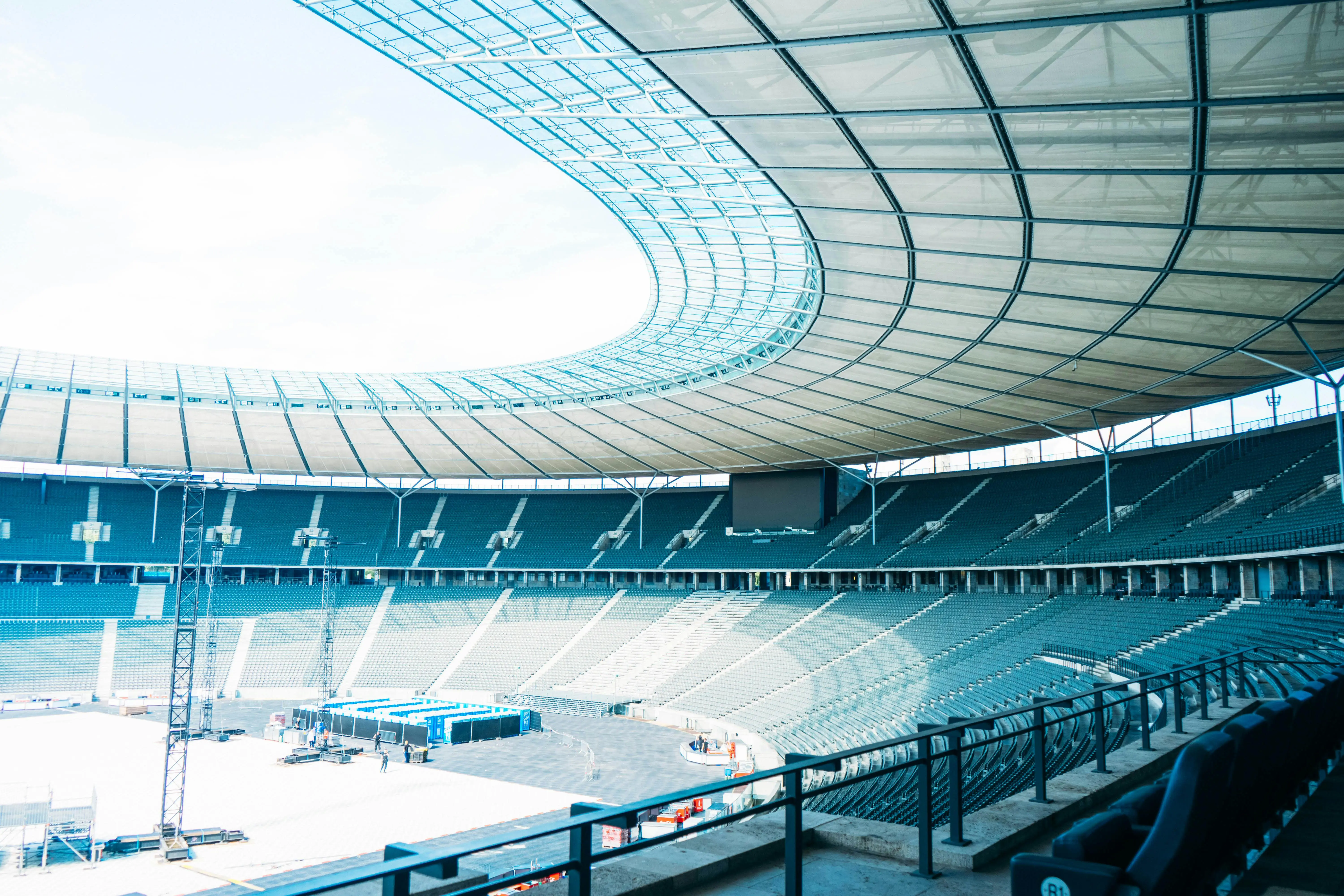
Image by Pexels
In recent decades, modern stadium design has evolved significantly. Stadiums are no longer just venues for sports events—they have become architectural icons, entertainment hubs, and multifunctional public spaces.
This shift has made stadium structural planning more complex and increasingly dependent on advanced construction technologies.
The use of steel structures is one of the key elements in the development of modern stadiums. This material enables wide-span construction without many supporting columns, providing a broader and unobstructed view for spectators. In addition, steel is known for its strength, flexibility, and efficiency in large-scale construction.
Through this article, you will understand how modern stadium design utilizes steel structures, long-span systems, and innovative roofing materials capable of withstanding extreme weather conditions. Let’s explore the full details!
Modern Stadium Design: More Than Just a Sports Venue
In the past, stadiums served only as places to watch sports. Today, however, stadium design has evolved into something more complex and multifunctional.
Modern stadiums are often designed to host various activities, such as:
- International sports events
- Music concerts and entertainment shows
- Community events and festivals
- Commercial and retail activities
Therefore, architects and engineers must consider multiple aspects in the design process, including spectator comfort, structural safety, and circulation efficiency.
Principles of Modern Stadium Design
In designing modern stadiums, several key principles must be considered:
- Spectator Visibility
All spectators should have a clear view of the field from every seating angle. - Large Capacity with Efficient Structure
Large stadiums require strong yet material-efficient structures. - Spatial Flexibility
Stadium spaces should accommodate various types of events. - Weather Protection
Modern stadium roofs are designed to protect spectators from rain and heat.
These factors make modern stadium design require a well-integrated architectural and engineering approach.
Long-Span Stadium Design: Challenges in Large-Scale Architecture
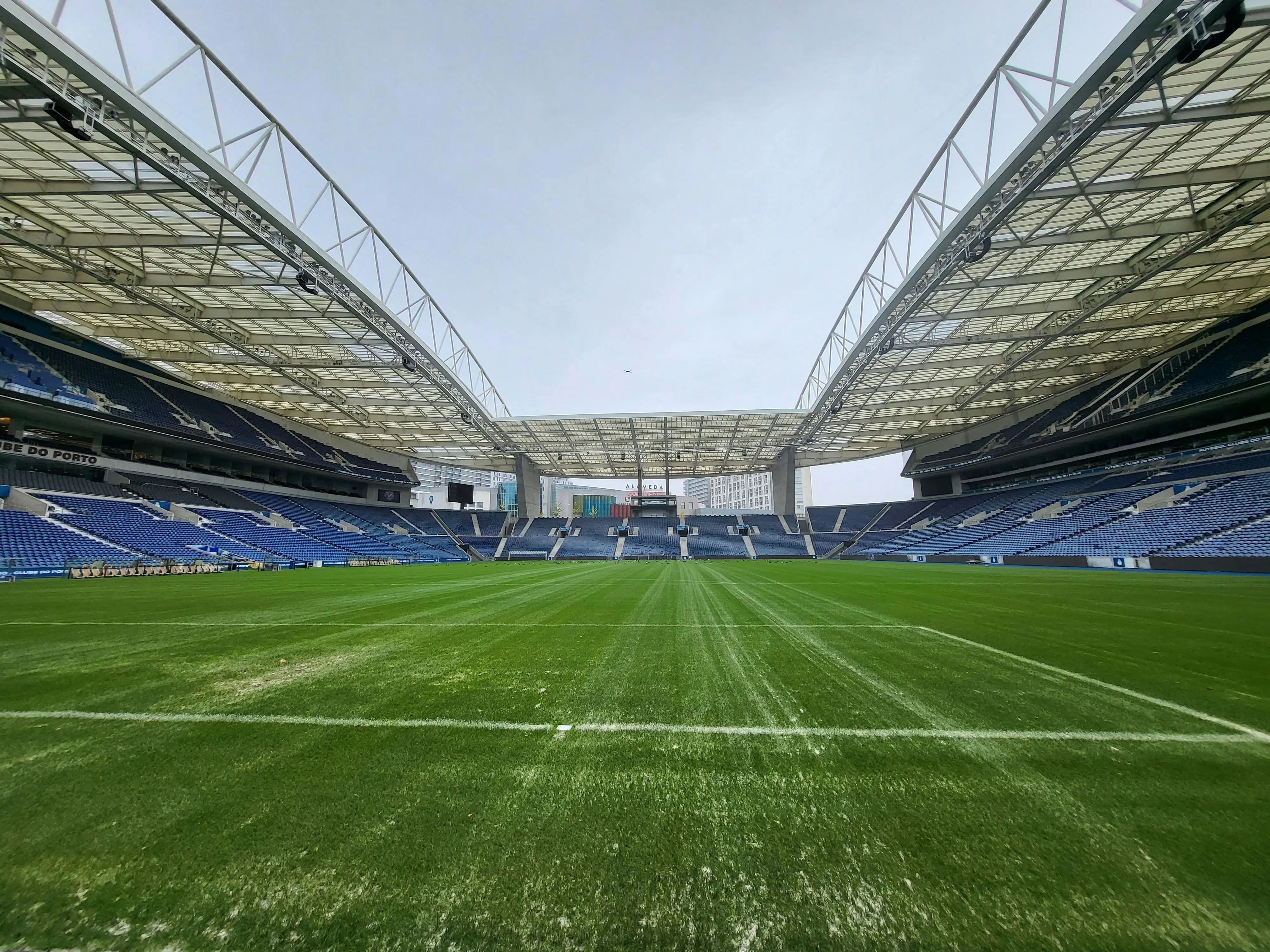
Image by Pexels
One of the biggest challenges in stadium design is creating long-span structures—large areas without central supporting columns. Why is this important?
Because columns in the middle of seating areas or the field can obstruct spectators’ views. Therefore, modern stadiums are designed with structural systems capable of spanning vast distances with minimal supports.
Stadium structures can span between 100 to 300 meters or more, depending on their size.
Key challenges in long-span design include:
- Load distribution
- Wind stability
- Earthquake resistance
- Material efficiency
To address these challenges, engineers often use steel structures due to their excellent strength-to-weight ratio.
Steel allows large structures to remain stable without requiring excessive additional materials.
Column-Free Steel Stadium Structures: How They Work
In modern stadium design, steel structures are widely used to create large, column-free spaces. Several structural approaches are commonly applied:
Space Frame Structures
A space frame is a three-dimensional structural system made of interconnected trusses.
Its advantages include:
- Even load distribution
- High stability
- Ability to span large distances
Space frames are commonly used for stadium roofs because they can support vast areas with relatively lightweight structures.
They are also flexible in form, allowing adaptation to unique architectural designs.
Cable and Tension Structures
Cable and tension systems rely on tensile forces to support structural loads. Steel cables are used to hold roof elements or membrane coverings.
These systems are popular in modern stadiums due to their lightweight and futuristic appearance.
Advantages include:
- Material efficiency
- Lightweight visual appearance
- High design flexibility
However, they require highly precise engineering calculations, as stability depends on balanced tensile forces.
Arch Structures
Arch structures are also widely used in stadium design. They distribute loads through curved forms, transferring forces to supports at the edges of the structure.
Benefits include:
- High structural strength
- Ability to withstand large loads
- Strong architectural aesthetics
Arch systems are often combined with steel to create stadiums that are both strong and iconic.
Weather-Resistant Stadium Roofing: Why Materials Matter
In addition to the main structure, the roof is a crucial component of stadium design. It protects spectators from rain, heat, and strong winds.
Due to its large scale, stadium roofing must meet several criteria:
- Lightweight yet strong
- Corrosion-resistant
- Wind-resistant
- Durable over time
Roofing materials must also withstand extreme temperature changes, especially in open-air stadiums. Without proper protection, materials can deteriorate quickly due to sun exposure, rain, and humidity.
Therefore, selecting the right roofing material is essential to ensure long-term safety and comfort.
In addition, proper planning is crucial. Architectural design tools such as CAD, BIM, and 3D visualization software help architects create accurate technical drawings, structural simulations, and realistic renderings.
With digital tools, the design process becomes faster, more accurate, and easier to collaborate on across teams.
Recommended Modern Roofing Material: COLORBOND® Steel with Thermatech®
In modern stadium construction, roofing materials must offer not only structural strength but also advanced protection against heat and corrosion.
One commonly recommended material is COLORBOND® Steel with Thermatech® technology.
This material is designed to provide optimal protection against extreme weather while maintaining a modern architectural appearance.
COLORBOND® Steel is also flexible and can be shaped (crimped or curved) to suit complex and curved stadium roof designs, creating a futuristic aesthetic.
Key technologies include:
Thermatech® Solar Reflectance Technology
Reflects solar heat, reducing heat absorption on the roof surface and improving comfort beneath it.
Aluminium-Zinc Coating (AZ150)
Provides corrosion protection, extending material lifespan.
Super Polyester Paint System
Maintains color stability and protects against UV exposure and weather changes.
Clean Technology
Helps keep the surface cleaner for longer by reducing dirt and pollutant buildup, with a self-cleaning effect from rainwater.
COLORBOND® Steel is an excellent choice for curved stadium roofs due to its flexibility, durability, and modern appearance. It has been used in iconic projects such as Jakarta International Stadium (JIS) and Indonesia Arena.
The Future of Stadium Design: Structural Efficiency and Material Innovation
Looking ahead, stadium design will increasingly focus on structural efficiency and material innovation. Emerging trends include:
Lightweight High-Strength Structures
Use of materials like lightweight steel for more efficient construction.
Sustainable Stadiums
Adoption of energy-efficient and environmentally friendly materials.
Smart Roof Technology
Roofs that can open and close automatically.
Multifunctional Design
Stadiums serving both sports and public events.
Curved Architectural Forms
Futuristic curved designs that enhance aesthetics and functionality.
With advancements in construction technology, stadiums are becoming not only sports venues but also symbols of architectural and technological progress.
Conclusion
The evolution of modern stadium design demonstrates how construction technology continues to advance to meet the demands of large-scale structures.
Steel structures enable wide-span stadiums without excessive columns, improving the viewing experience.
Additionally, roofing material selection plays a critical role in ensuring durability against various weather conditions.
With a combination of efficient structures and innovative materials, future stadiums will not only be strong and safe but also iconic and sustainable.
COLORBOND® Steel can be an excellent choice for stadium roofing and other future building needs. With 60 years of experience, it has become a globally recognized brand of high-quality coated steel from BlueScope.
As a premium material, it offers long-term reliability with corrosion resistance warranties of up to 35 years and color warranties of up to 12 years—ensuring performance and appearance remain consistent in various environments.
Contact us for consultation and ordering. Visit our product page to find the best solution for your needs.
FAQ
Why is steel commonly used in stadium design?
Because it has a high strength-to-weight ratio, making it ideal for long-span structures.
What is a long-span structure?
A structure capable of covering large areas without central supporting columns.
Do stadium roofs require special materials?
Yes, they require lightweight, strong, and weather-resistant materials.
Why is roofing material selection important?
Because stadium roofs cover large areas and must protect spectators from weather conditions.
What are future trends in stadium design?
More efficient structures, innovative materials, and environmentally friendly concepts.