22 Oct 2026
Tips for Choosing the Right Roof Colors for Modern Building Designs
Tips for Choosing the Right Roof Colors for Modern Building Designs
Share:


Roof colors play an important role in defining the visual character of a building. Beyond influencing its exterior appearance, color selection should also consider harmony with the facade, surrounding environmental conditions, and the performance of the roofing material.
In modern architecture, roof color options have become increasingly diverse, ranging from minimalist white and neutral grey to darker shades that create an elegant appearance. Finishes such as matte are also gaining attention for their ability to deliver a more subtle, low-gloss aesthetic.
For architects, roof colors should be selected alongside material specifications, profiles, and installation systems to ensure they meet the project's design requirements. Before choosing a color, it is also important to understand the different types of roofing materials and their characteristics to determine the most suitable option.
So, how can architects choose the right roof colors for modern buildings? The following guidelines and color inspirations offer several considerations.
Why Is Roof Color Selection Important in Architecture?
The roof is one of the exterior surfaces that significantly influences a building's overall architectural composition. In designs featuring pitched roofs or highly visible roof surfaces, color selection can emphasize geometric forms while establishing a visual connection with the facade.
Dark colors, such as black and charcoal grey, can create a bold appearance and contrast with lighter walls. Conversely, white and other light neutral shades can establish a clean, minimalist aesthetic.
Beyond aesthetics, roof surface colors also influence how materials respond to solar energy. Therefore, color selection should consider solar reflectance, insulation systems, and ventilation to ensure compatibility with the building's environmental conditions.
5 Tips for Choosing Roof Colors That Complement Building Design
Choosing roof colors should involve more than simply following architectural trends. The following considerations can help architects identify colors that align with their design concepts and project requirements.
1. Match the Roof Color with the Architectural Concept
Each architectural style has its own visual characteristics. Modern minimalist buildings commonly incorporate neutral colors, such as white, black, and grey, to emphasize simple forms and defined architectural lines.
Meanwhile, modern tropical designs may incorporate warmer shades or colors inspired by natural materials to create a visual connection with the surrounding landscape.
2. Coordinate Roof Colors with Facade Colors and Exterior Materials
Roof colors should be planned as part of the overall exterior composition. The right combination can create either visual harmony or contrast, reinforcing the building's architectural identity.
For example, dark grey roofing can be paired with white walls and glass elements, while warmer roof colors can complement timber and natural stone.
The following combinations may serve as initial references.
|
Roof Color |
Complementary Materials |
Design Character |
|---|---|---|
|
White |
Light timber, grey walls |
Minimalist, Scandinavian |
|
Light grey |
Glass, concrete, white walls |
Modern, contemporary |
|
Dark grey |
Exposed concrete, glass |
Industrial, modern urban |
|
Black |
White walls, timber |
Minimalist, elegant |
|
Beige or taupe |
Natural stone, timber |
Natural, modern tropical |
These combinations can be further adjusted based on building proportions, lighting conditions, and the surrounding architectural environment.
3. Consider Climate Conditions and Solar Reflectance
In tropical regions such as Indonesia, roofs receive relatively intense sunlight throughout the year. Therefore, roof color selection should consider the surface's ability to reflect solar energy.
In general, lighter surfaces tend to have higher solar reflectance than darker surfaces. However, actual performance also depends on pigments, coating technologies, and material specifications.
Roof color is not the only factor influencing thermal comfort. Insulation, ventilation, ceiling construction, and roof configuration should be designed as an integrated system. Further information can be found in the article discussing roofing materials that help reduce heat gain.
4. Choose an Appropriate Roof Finish
In addition to color, the type of finish influences the visual characteristics of a roof surface. A glossy finish produces a more reflective appearance, while a matte finish provides a lower-gloss aesthetic.
Matte-finished roofing can be considered for minimalist, industrial, and contemporary architectural designs that prioritize a more understated visual expression.
However, gloss level is not the same as solar reflectance. A matte surface does not automatically result in lower indoor temperatures compared with a glossy material.
5. Evaluate Color Durability and Maintenance Requirements
Roof surfaces are exposed to sunlight, rainfall, humidity, and temperature fluctuations over extended periods. Therefore, the quality of the coating system is an important factor in maintaining the material's appearance.
Beyond selecting a color, architects should review paint specifications, corrosion protection, environmental conditions, and warranty provisions.
Choosing suitable materials, combined with installation and maintenance practices that follow manufacturer recommendations, can help preserve both the functionality and aesthetics of a roof.
Discover COLORBOND® Matt Roof Colors
COLORBOND® Matt is a prepainted steel option characterized by its low-gloss finish. This finish creates a softer, less reflective appearance, making it suitable for consideration across various modern architectural concepts.
COLORBOND® Steel incorporates protective metallic coatings and paint systems designed for exterior applications. Technologies such as Thermatech® Solar Reflectance Technology are also part of its material development, supporting solar heat management in applicable product variants.
Nevertheless, selecting COLORBOND® Matt requires careful evaluation of product specifications, environmental exposure, roof profiles, and project requirements.
Architects can explore the COLORBOND® product range to compare material categories and application suitability before finalizing their specifications.
5 COLORBOND® Matt Roof Color Options for Different Architectural Designs
The COLORBOND® colours range with a Matt finish includes five shades: Dune®, Monument®, Iron®, Granite®, and Winter®.
Each color offers distinctive characteristics that can be combined with complementary materials to create different architectural expressions.
1. Dune® – Warm and Natural Tones
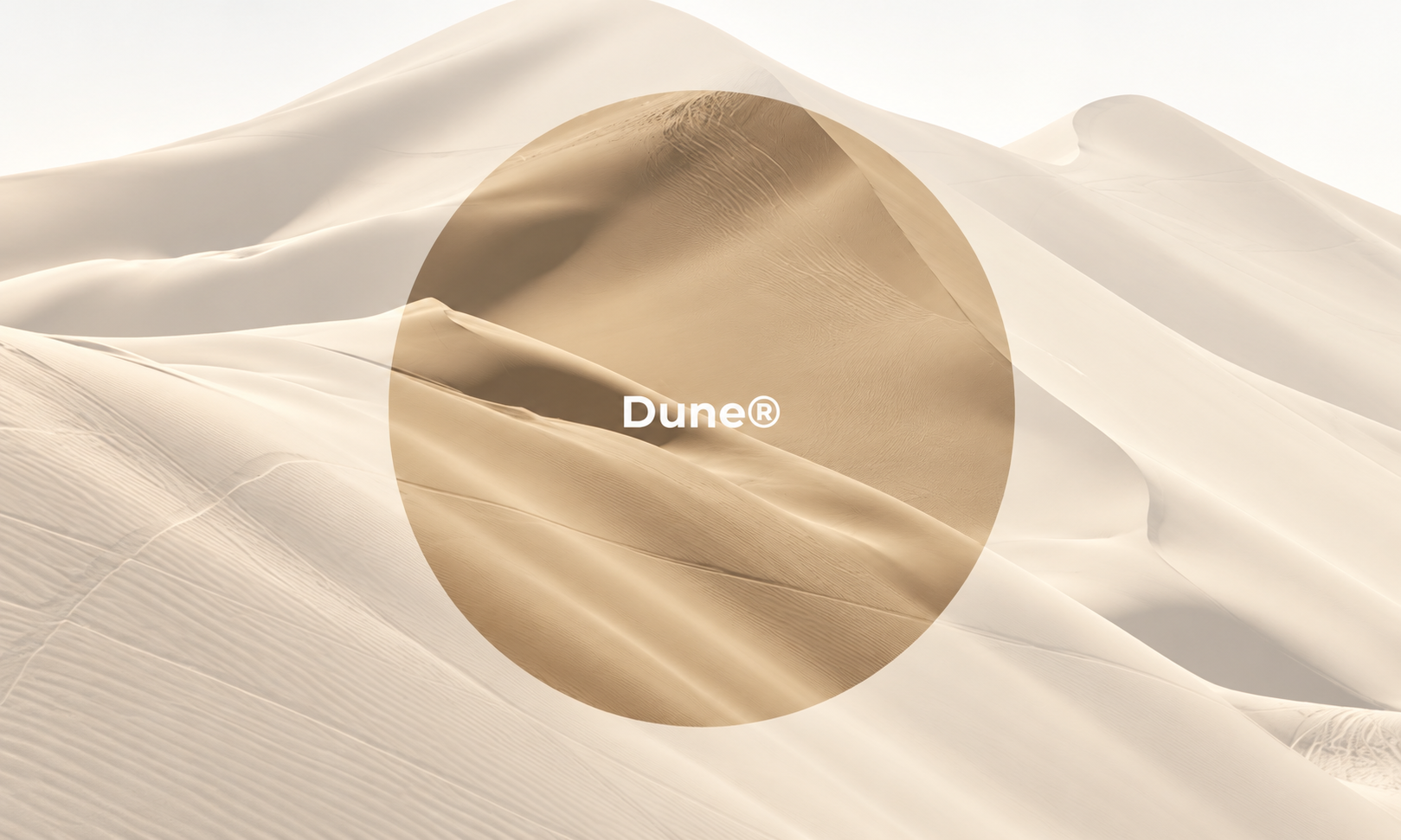
COLORBOND® Matt Dune® color reference, featuring a warm palette. Compare with physical samples before making the final selection.
Dune® offers a warm neutral tone that complements timber, natural stone, and cream-colored walls.
This shade can be considered for modern tropical buildings or natural minimalist designs that emphasize harmony with their surroundings.
2. Monument® – Dark and Contemporary Character
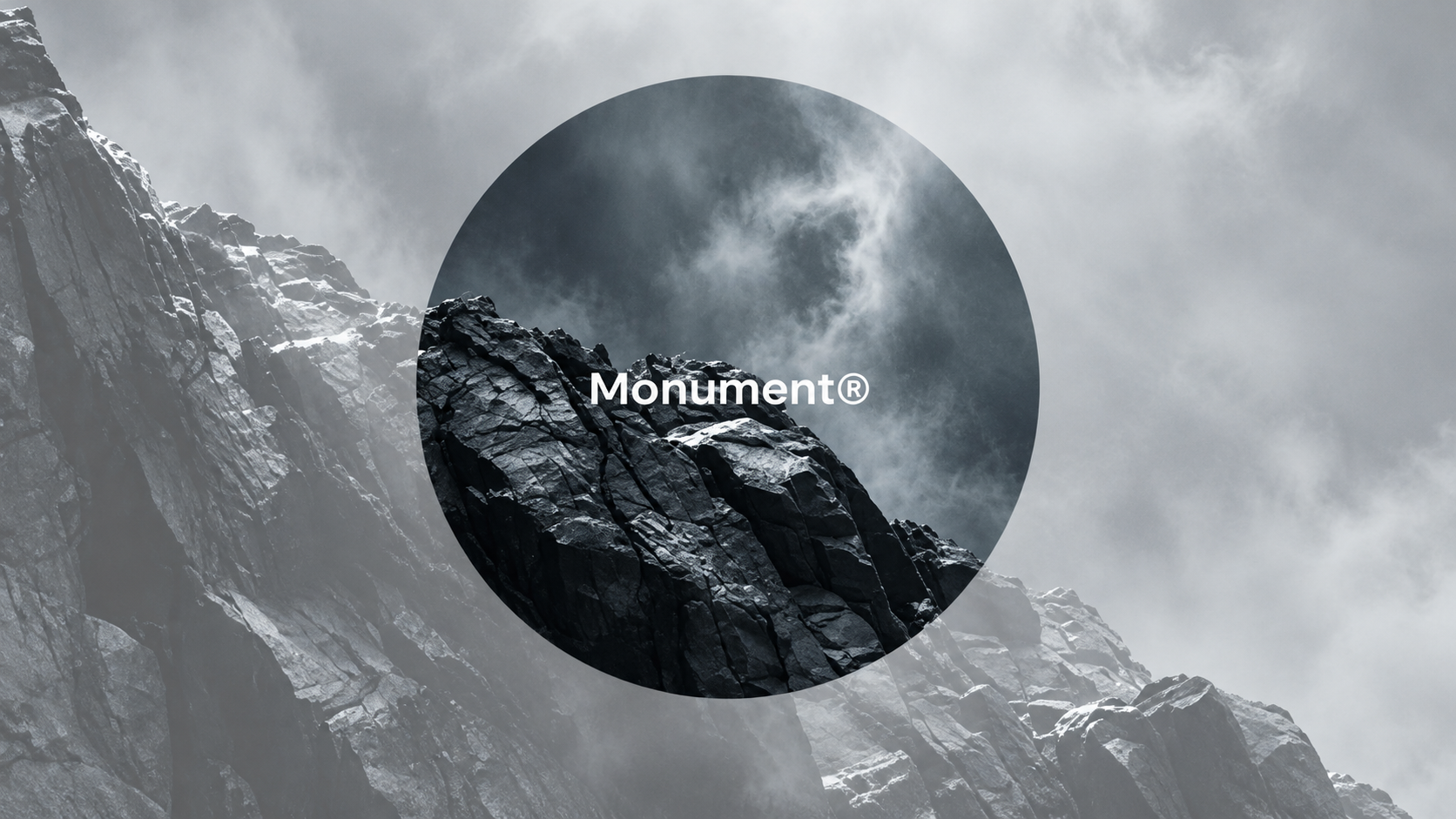
COLORBOND® Matt Monument® color reference, illustrating dark surfaces and contrast with lighter architectural elements.
Monument® features a dark color character that creates a bold, elegant, and contemporary appearance.
It can be combined with white walls, exposed concrete, and glass to establish contrasting compositions between the roof and facade.
3. Iron® – Neutral and Contemporary Appearance
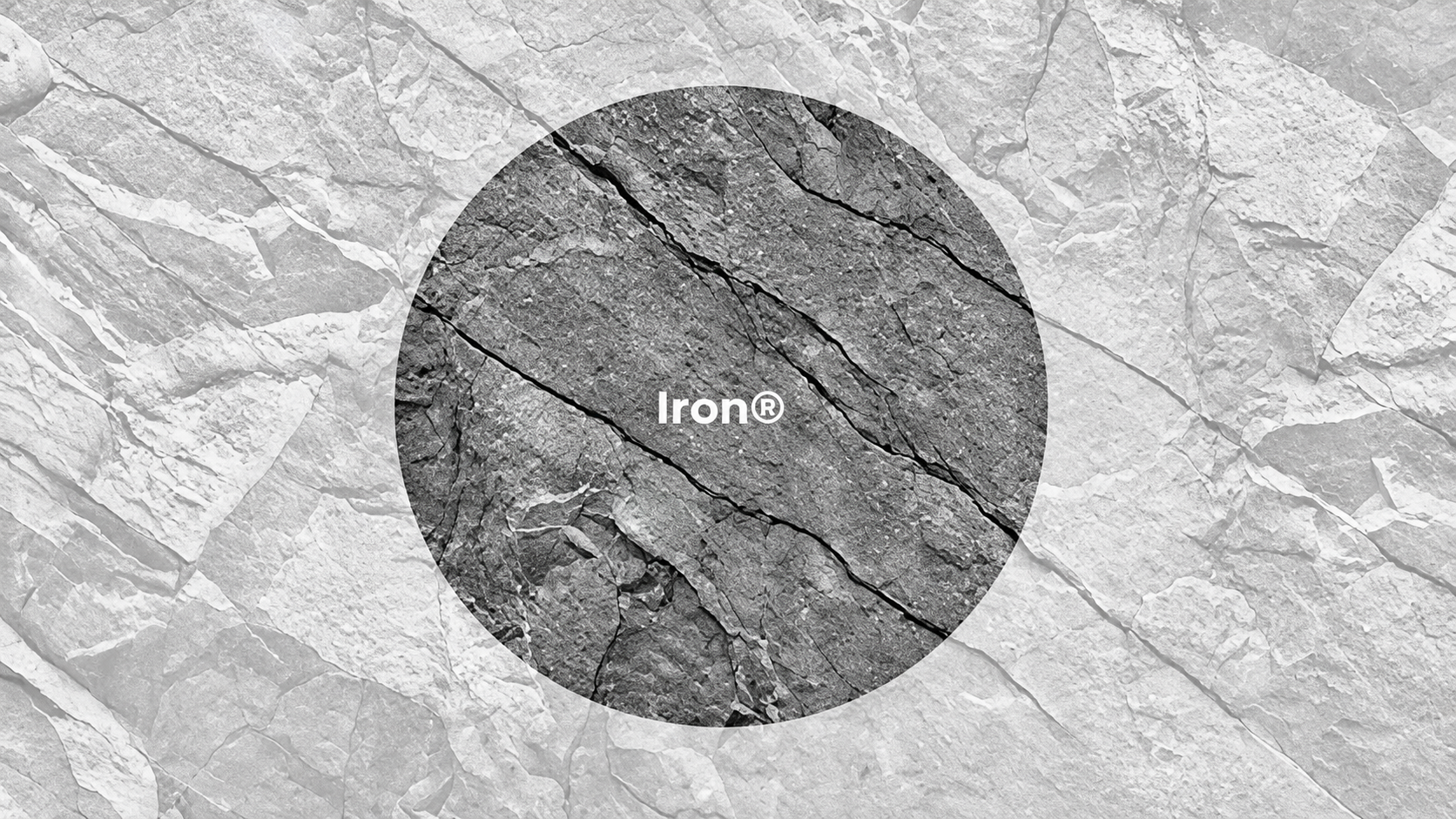
COLORBOND® Matt Iron® color reference, demonstrating neutral tones in modern architectural design.
Iron® offers a grey tone inspired by the character of natural materials.
This option is suitable for modern designs incorporating concrete, glass, and other metal elements. Its understated color can help create a harmonious exterior without relying on overly prominent shades.
4. Granite® – Elegant Dark Color with Distinctive Character
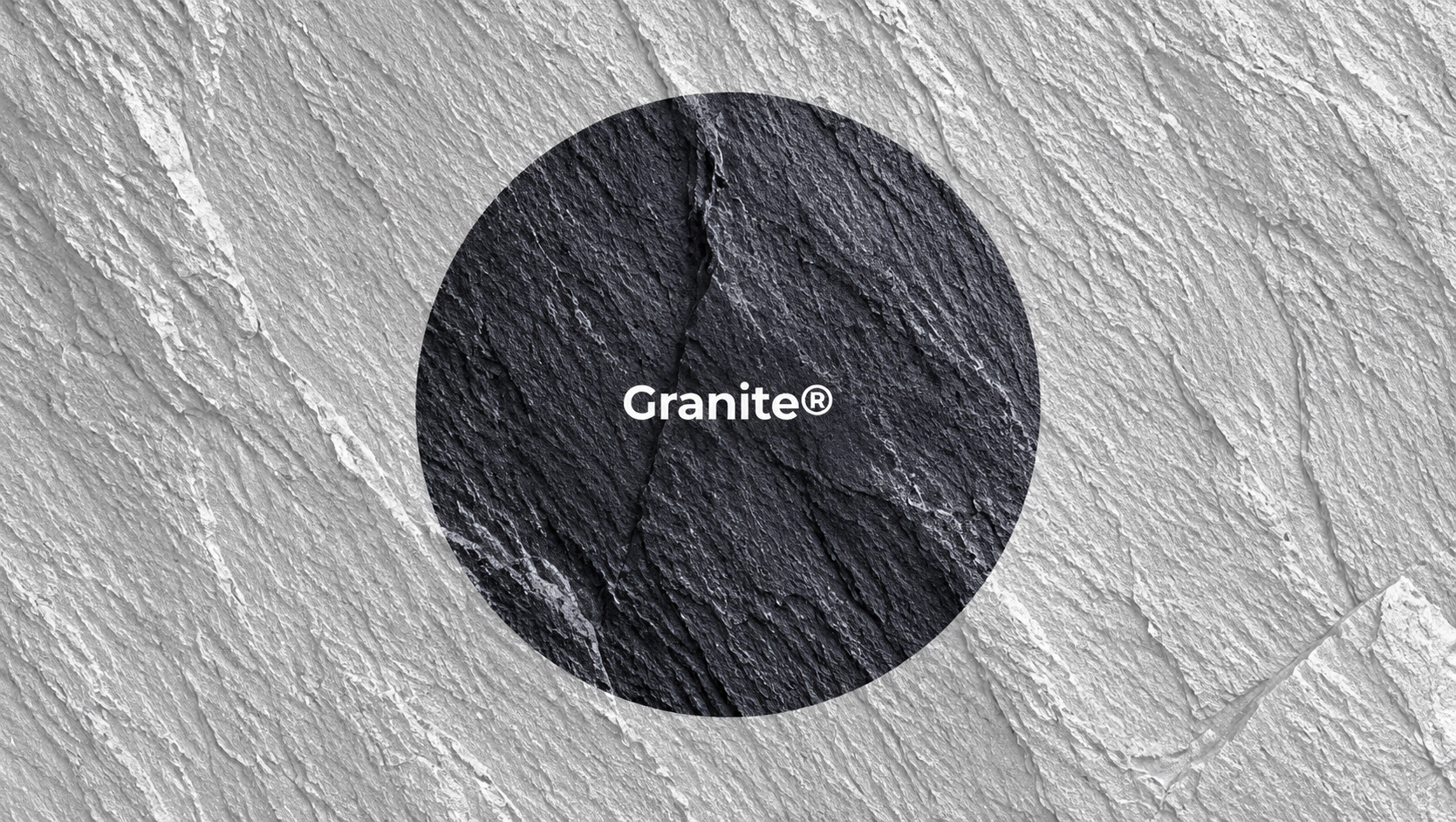
COLORBOND® Matt Granite® color reference, helping architects compare roof compositions with complementary materials.
Granite® features a dark color character suited to modern and industrial architectural compositions.
This shade can be combined with natural stone, terrazzo, glass, and lighter wall surfaces to establish strong visual contrast.
5. Winter® – Bright and Minimalist Appearance

COLORBOND® Matt Winter® color reference, illustrating a bright appearance for roofing and exterior applications.
Winter® offers a clean white appearance suited to minimalist architectural concepts and buildings with simple visual compositions.
It can be paired with black accents, timber, or textured materials to create a contemporary appearance while maintaining a sense of warmth.
To compare COLORBOND® colours in greater detail, architects can explore the COLORBOND® Matte Finish color collection. Physical samples should be evaluated under the project's actual lighting conditions before making the final color selection.
Comparison of 5 COLORBOND® Matt Colors
|
Color |
Visual Characteristics |
Recommended Combinations |
Architectural Style |
|---|---|---|---|
|
Dune® |
Warm and natural |
Timber, natural stone, cream |
Modern tropical |
|
Monument® |
Dark and bold |
White, concrete, glass |
Modern minimalist |
|
Iron® |
Neutral grey |
Concrete, glass, metal |
Contemporary |
|
Granite® |
Dark and elegant |
Terrazzo, stone, light-colored walls |
Modern industrial |
|
Winter® |
Clean white |
Timber, grey, black |
Minimalist |
This table provides an initial guide for developing architectural color compositions. The final result should still be evaluated based on roof surface dimensions, orientation, lighting conditions, and material characteristics.
Architectural Project Inspirations Featuring COLORBOND® Matt Roof Colors
Color selection can influence different building types in various ways. The following projects demonstrate the use of COLORBOND® Matt on roofs and exterior surfaces across a range of architectural styles.
1. Titik Tentram – COLORBOND® Matt Winter®
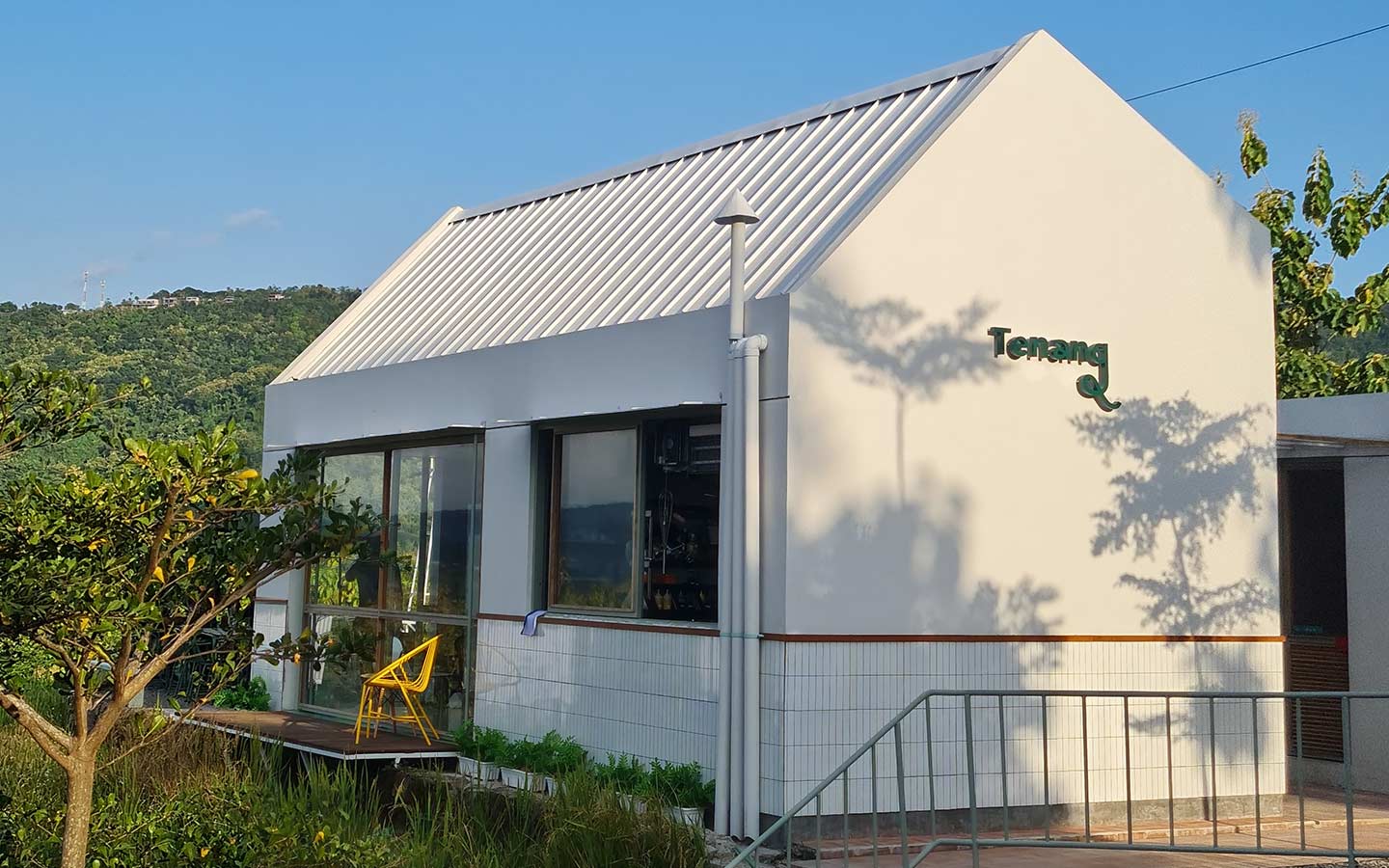
Titik Tentram incorporates COLORBOND® Matt Winter® on its roof and exterior walls.
The predominantly white surfaces create a clean and simple appearance while establishing contrast with the surrounding vegetation.
This project offers inspiration for incorporating lighter roof colors into minimalist architectural designs.
2. DG Residence – COLORBOND® Matt Monument®
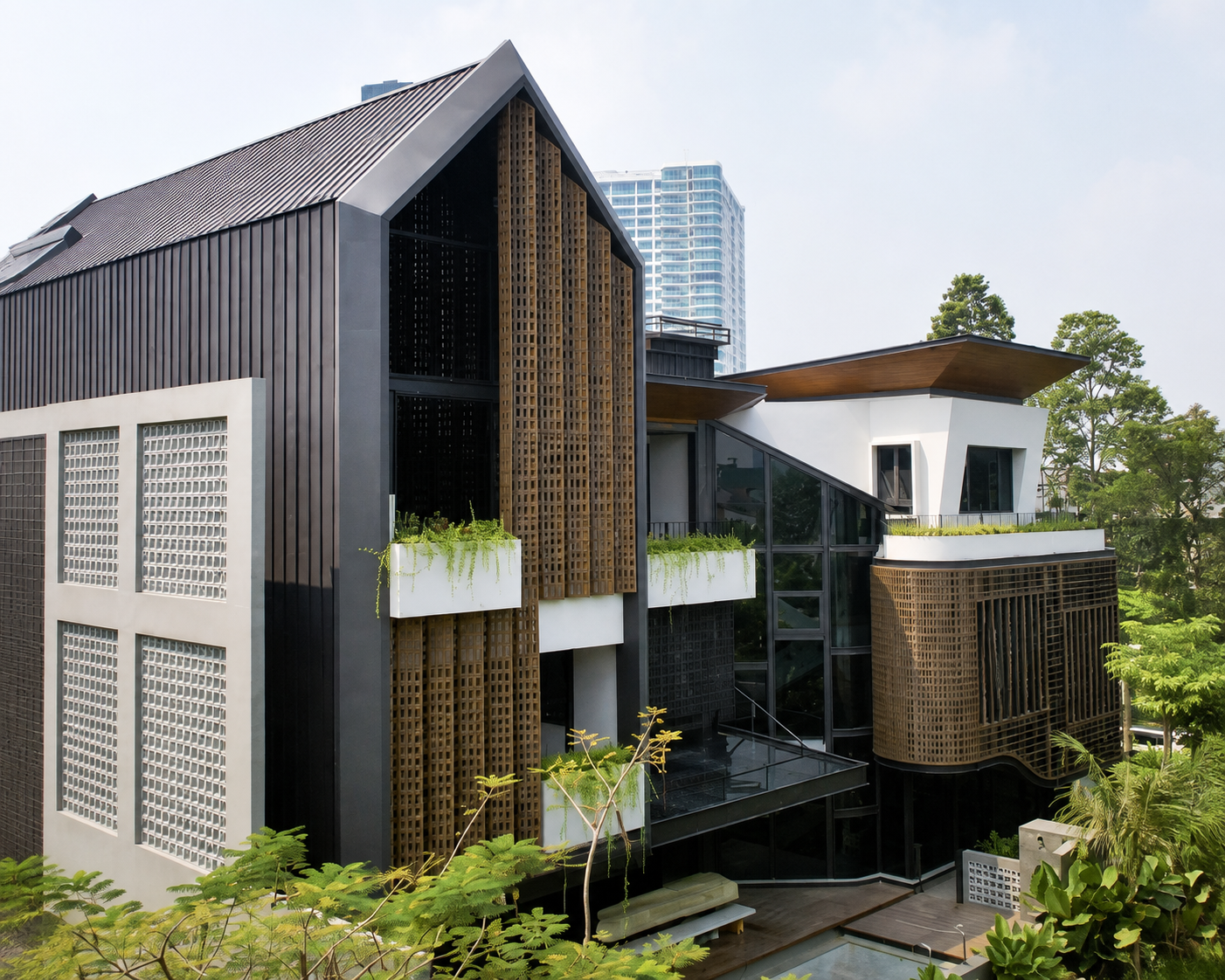
DG Residence, designed by Ar. Samuel Siahaan, ST, MSc (Eng), IAI, Principal Architect of Arete Architects, incorporates a layered facade to support comfort in a tropical climate.
The application of COLORBOND® Matt Monument® on the roof of DG Residence creates a modern and elegant appearance while emphasizing the building's geometric form through well-defined roof joints.
This project offers inspiration for using darker roof colors in contemporary residential architecture, particularly when creating visual harmony between the roof, layered facade, and other architectural elements.
3. Bumi Hejo Bandung – COLORBOND® Matt Granite®
Bumi Hejo Bandung, designed by architect Yudi Pranata, incorporates COLORBOND® Matt Granite® to establish a distinctive exterior character.
The combination of dark surfaces and lighter architectural elements creates an attractive contrast for a modern commercial building.
This approach provides a useful reference for developing harmonious roof and facade color palettes.
Additional examples of material applications and color compositions can be explored through the COLORBOND® architectural project inspiration gallery.
Key Considerations Before Selecting Roofing Materials and Colors
After choosing a roof color, the next step is to ensure that the selected material meets the project's environmental conditions and technical requirements.
|
Consideration |
Key Factors to Evaluate |
|---|---|
|
Environmental conditions |
Exposure to sunlight, rainfall, humidity, coastal salt, and pollutants |
|
Coating system |
Protective coating types, paint technology, and product suitability |
|
Profile and thickness |
Roof pitch, span, loads, and structural frame compatibility |
|
Installation details |
Joints, fasteners, flashing, gutters, and drainage |
|
Maintenance and warranty |
Inspection and cleaning guidelines, warranty coverage, and applicable conditions |
Additionally, color samples displayed on digital screens may appear different under actual installation conditions. Architects should evaluate physical color samples under natural lighting and compare them with the facade materials used in the project.
Selecting appropriate specifications should also account for the building's location and manufacturer requirements, particularly for projects in coastal or industrial environments.
Create Modern Roof Designs with COLORBOND® Matt
Choosing the right roof colors can strengthen a building's architectural identity while creating a harmonious overall composition. Beyond aesthetics, architects should consider material quality, environmental conditions, installation details, and maintenance requirements.
COLORBOND® Matt offers five low-gloss color options that can complement various modern architectural concepts. These shades can be combined with complementary materials to meet the building's visual and technical specifications.
COLORBOND® Steel is developed with Thermatech® Solar Reflectance Technology, Clean Technology, AZ150–AZ200 coatings, and a Super Polyester Paint System. With a global brand history spanning approximately 60 years, COLORBOND® Steel by BlueScope continues to evolve to meet present and future architectural needs.
COLORBOND® Steel offers warranty coverage of up to 35 years against corrosion and up to 12 years for color performance, subject to applicable terms and conditions. These benefits can be considered when selecting materials for building and infrastructure projects.
To discuss roof color options, material specifications, or application suitability for your project, please contact the COLORBOND® team. Their guidance can help ensure that the selected products align with your architectural design and technical requirements.
Frequently Asked Questions About Roof Colors
What roof colors are suitable for modern buildings?
Neutral colors such as white, grey, and black are commonly used in modern buildings because they can be combined with a wide range of exterior materials. However, color selection should still reflect the architectural concept, building proportions, and project requirements.
Do dark roof colors make buildings hotter?
Dark surfaces generally absorb more solar energy than lighter surfaces. However, actual thermal performance depends on material reflectance, coating technology, insulation, ventilation, and the overall roofing system.
What is the difference between matte and glossy finishes?
Matte finishes have a low-gloss appearance, while glossy finishes create a shinier surface. This distinction primarily relates to visual characteristics and does not automatically determine thermal performance or material durability.
How do you coordinate roof colors with facade colors?
Consider harmony or contrast between roof colors, walls, openings, and complementary materials. For example, a dark grey roof can be paired with a white facade, while warmer roof colors can complement timber and natural stone.
Reference Sources
-
COLORBOND® Products – Reference for product ranges and prepainted steel material specifications.
-
COLORBOND® Matte Finish – Reference for the five available colors: Dune®, Monument®, Iron®, Granite®, and Winter®.
-
Indonesia's First Matte Finish Colors – The original COLORBOND® article used as the basis for content optimization.
-
Titik Tentram – Architectural inspiration featuring COLORBOND® Matt Winter® on roofing and exterior walls.
-
DG Residence – Reference for the application of COLORBOND® Matt Monument® in an architectural facade and roofing project.
-
Bumi Hejo Bandung – Inspiration featuring COLORBOND® Matt Granite® on building exteriors.
-
10 Types of Residential Roofs Based on Materials – Reference for roofing material types and characteristics.
-
8 Types of Roofing Materials That Help Reduce Heat – Reference for roofing material selection and building thermal comfort.
-
COLORBOND® Inspirations – References for architectural projects and COLORBOND® material applications.
-
COLORBOND® Contact Us – Information regarding product consultation, color selection, and project requirements.