14 Jul 2026
Dewa United Stadium and the Design Logic Behind a Modern Minimalist Stadium
Dewa United Stadium and the Design Logic Behind a Modern Minimalist Stadium
Share:


Amid the dominance of large-capacity stadiums, the concept of the modern medium-sized stadium has gained increasing attention as a more practical solution for developing cities. Rather than focusing solely on seating capacity, this approach emphasizes spatial efficiency, user comfort, and functional flexibility, allowing the stadium to accommodate a variety of activities.
Dewa United Stadium is a strong example of this design philosophy. The project demonstrates that a sports venue does not need to be exceptionally large to establish a distinctive architectural identity.
By incorporating a long-span structural system, the stadium creates spacious, column-free interiors that improve spectator comfort while supporting efficient construction and long-term operations.
A similar architectural approach can also be found at Manahan Stadium in Surakarta. Following its revitalization, the stadium features a more contemporary design that prioritizes spatial quality, spectator comfort, and an architectural identity that contributes to the character of the surrounding area.
These examples demonstrate that medium-sized stadiums are capable of meeting modern sports facility standards without compromising operational efficiency or user experience.
Medium-Sized Stadiums: Balancing Efficiency and User Experience
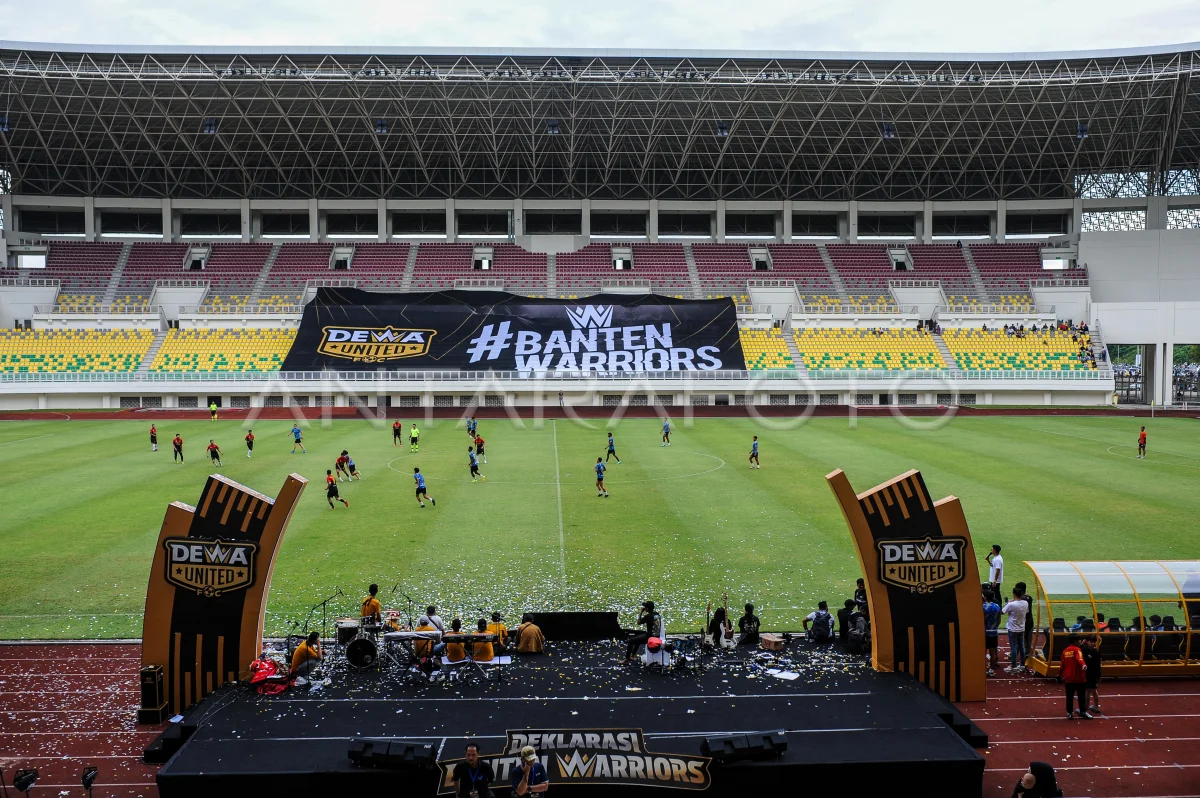
Modern stadium design is no longer defined by the pursuit of maximum seating capacity. Instead, it focuses on delivering the best possible experience for users while maintaining operational efficiency and spatial flexibility.
This philosophy can be seen in numerous contemporary stadiums across Indonesia, where structural efficiency, spectator comfort, and spatial quality are treated as essential components of architectural identity.
1. Not Every Stadium Needs Massive Capacity
While large stadiums have undeniable appeal, they are not always the most suitable solution for every city. Medium-sized stadiums offer a more balanced approach by aligning capacity with projected attendance, frequency of use, and operational efficiency, resulting in facilities that are better utilized over time.
2. Design Challenges Within a More Compact Scale
Although more compact in size, these stadiums must still provide spaces that feel open, comfortable, and architecturally distinctive. Achieving this requires efficient structural planning and thoughtful spatial organization without compromising the user experience.
3. Spectator Visibility as a Design Priority
One of the most important indicators of stadium design quality is the visibility of the playing field from every seating section. Long-span structural systems provide an effective solution by minimizing interior columns, allowing spectators to enjoy unobstructed views throughout the stadium.
As Dewa United Stadium continues to serve as the home venue for Dewa United Football Club in Indonesia's national football competition, it demonstrates the importance of designing stadiums that not only provide adequate seating capacity but also deliver spectator comfort, operational efficiency, and long-term functionality.
These requirements highlight the close relationship between architectural design, long-span structural systems, and material selection in contemporary stadium architecture.
(Source: ILeague.id)
Long-Span Structures as the Foundation of Modern Stadium Design
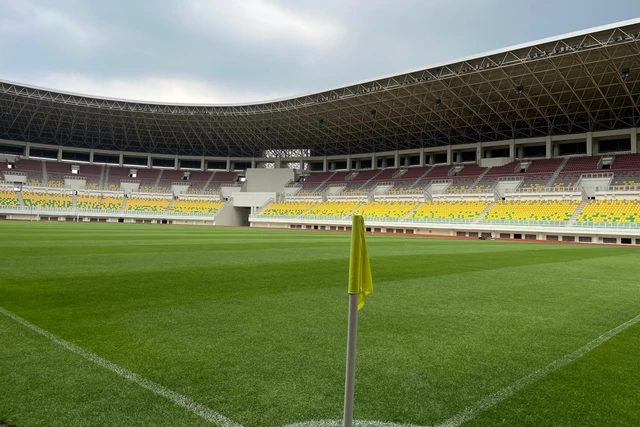
Behind the comfort and visual identity of every modern stadium lies a structural system specifically engineered to accommodate large-scale spaces. Long-span structures are among the most important design elements because they create expansive, flexible interiors while giving architects greater freedom to explore expressive architectural forms.
1. Creating Spacious Interiors Without Obstructing Columns
Long-span structural systems allow grandstands and playing areas to remain protected while minimizing the need for interior support columns. As a result, spectators benefit from clearer sightlines, while the overall space feels larger and more comfortable for multiple activities.
To support these structural requirements, selecting appropriate materials for infrastructure applications is equally important, contributing to structural strength, building durability, and long-term performance in large-scale sports facilities.
2. Greater Design Freedom for Iconic Roof Forms
Beyond improving building functionality, long-span structures enable architects to design more dynamic roof forms. The roof becomes more than protection from the elements—it evolves into a defining architectural feature that strengthens the stadium's visual identity and creates a memorable skyline.
3. Construction Precision for Greater Efficiency
The use of prefabricated structural components improves precision throughout the manufacturing process. This approach can accelerate on-site construction, maintain installation quality, and support more efficient project delivery without compromising structural performance.
Looking for inspiration from the finalists and winners of the Steel Architectural Award 2024? Explore featured COLORBOND® projects, including:
- GOR Djarum Magelang
- Loyola Student Center
- Quantis Club House
How Design Enhances Spectator Comfort
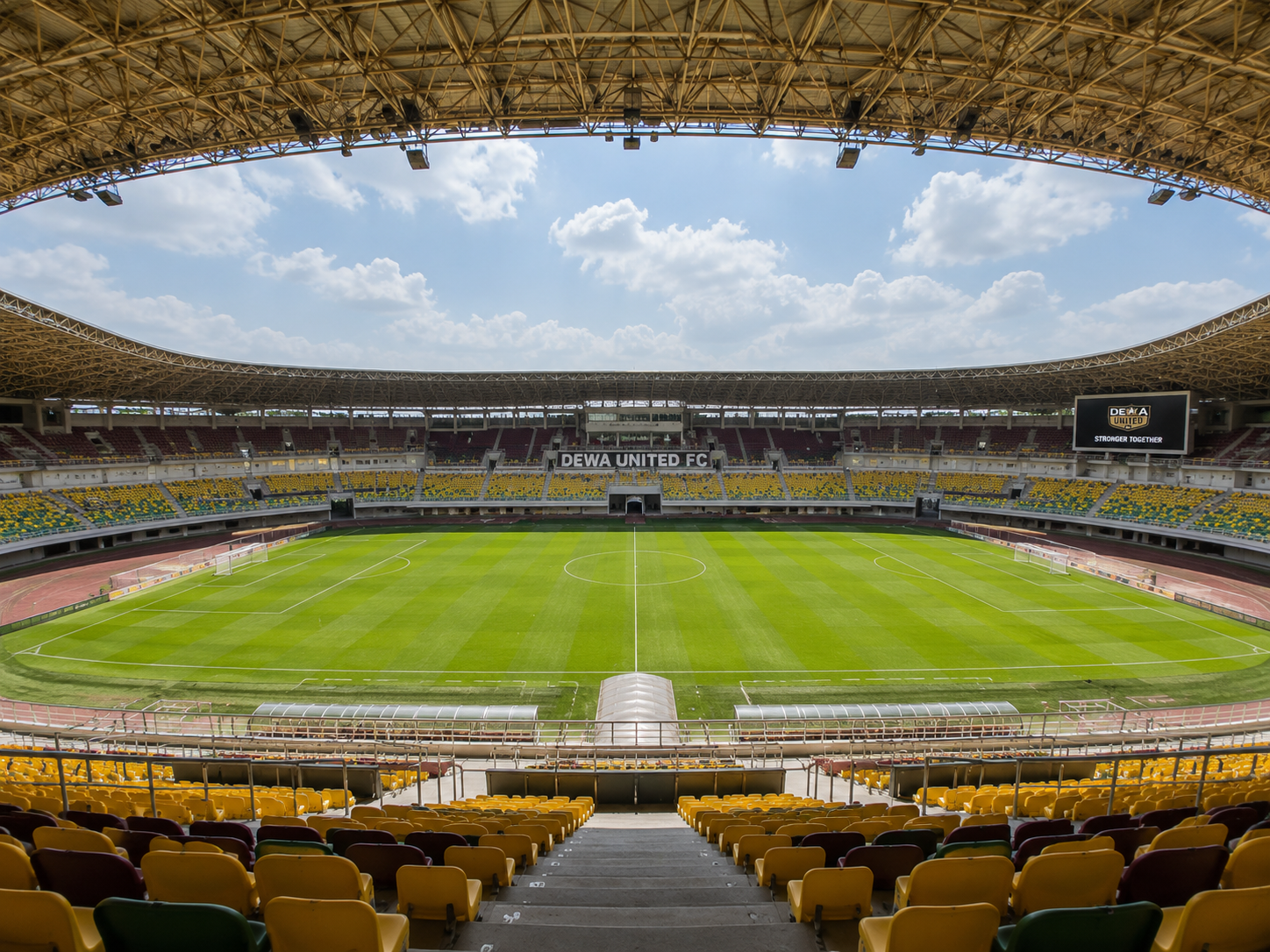
Natural Ventilation and Protection from Tropical Weather
Open stadiums with appropriately designed roofing systems encourage natural airflow, helping maintain comfortable conditions while reducing dependence on mechanical cooling systems.
This design strategy has become increasingly common in infrastructure projects that seek to balance building performance, operational efficiency, and user comfort.
Roof Structures as Protection and Architectural Identity
The stadium roof serves not only as protection against sun and rain but also as one of the building's most recognizable architectural features.
THERMATECH® technology helps reflect solar heat, contributing to cooler conditions beneath the roof and improving spectator comfort.
A More Intimate and Engaging Viewing Experience
The moderate scale of the stadium brings spectators closer to the field, creating a more immersive and emotionally engaging match-day experience.
Dewa United Stadium as a Reference for Contemporary Stadium Design
Dewa United Stadium demonstrates that efficiency is the result of thoughtful planning rather than simply reducing construction costs. Through effective spatial organization, long-span structural systems, and a seating capacity carefully matched to operational needs, the stadium delivers a comfortable viewing experience while supporting efficient long-term building management.
This approach also reflects a broader trend in contemporary stadium architecture, where medium-sized venues are increasingly favored over oversized facilities. Stadiums with appropriately scaled capacities are generally easier to operate, maintain, and adapt for a wide variety of events, from sporting competitions to large public gatherings.
As a result, the quality of a stadium is no longer measured solely by its size but by its flexibility, efficiency, and ability to meet evolving user needs.
To achieve this level of adaptability, material selection is equally important. Beyond architectural concepts and structural systems, long-term building performance depends heavily on the materials specified, particularly for roofing and façade applications.
One innovation supporting these requirements is BlueScope COLORBOND® Steel, which celebrates its 60th anniversary this year as a globally recognized coated steel brand.
Its product range—including COLORBOND® Steel Ultra, XAL, XPD, XRW, and Matte Finish—is engineered to meet the demands of contemporary architecture by combining corrosion resistance, color stability, and advanced coating technologies that help preserve both building performance and aesthetic quality over time.
Dewa United Stadium illustrates how an efficient design approach can produce a sports facility that is functional, comfortable, and well prepared for future needs.
If you are planning a stadium, sports facility, or another long-span building project, consulting the experienced COLORBOND® Steel team during the early planning stages can help identify material solutions that best support your design objectives and long-term building performance.
FAQ
1. What is a modern medium-sized stadium?
A medium-capacity stadium designed to maximize efficiency, user comfort, and an outstanding spectator experience.
2. Why are long-span structural systems important in stadium design?
They enable wide, column-free spaces that improve visibility, enhance spatial flexibility, and streamline construction.
3. What are the benefits of THERMATECH® technology for stadium roofs?
THERMATECH® helps reduce solar heat absorption, keeping spectator areas beneath the roof more comfortable.
4. What is Clean Technology in COLORBOND® Steel?
Clean Technology is an advanced coating technology designed to reduce dirt accumulation on the material's surface, helping maintain its appearance over time.
5. Are medium-sized stadiums more efficient?
Yes. They generally offer greater efficiency in construction costs, operations, maintenance, and flexibility for multiple uses.
Article Sources
- Steel Architectural Award 2024
- Featured finalists of the Steel Architectural Award 2024 from the COLORBOND® website
- GOR Djarum Magelang
- Loyola Student Center
- Quantis Club House
Related Articles from the COLORBOND® Steel Website
- Manahan Stadium
- Jakarta International Stadium
- ILeague.id