15 Jul 2026
Creating Green Buildings Through Materials for Sustainable Architecture
Creating Green Buildings Through Materials for Sustainable Architecture
Share:


The adoption of green building principles has become increasingly important in architecture as the demand grows for buildings that are efficient, comfortable, and designed for long-term performance.
This approach extends beyond energy efficiency to include material selection, responsible resource management, and the creation of healthy built environments. It is also widely applied in commercial developments that integrate open spaces with building design, creating environments that are more responsive to local climate while enhancing the overall user experience.
Green Building Principles in Architectural Design
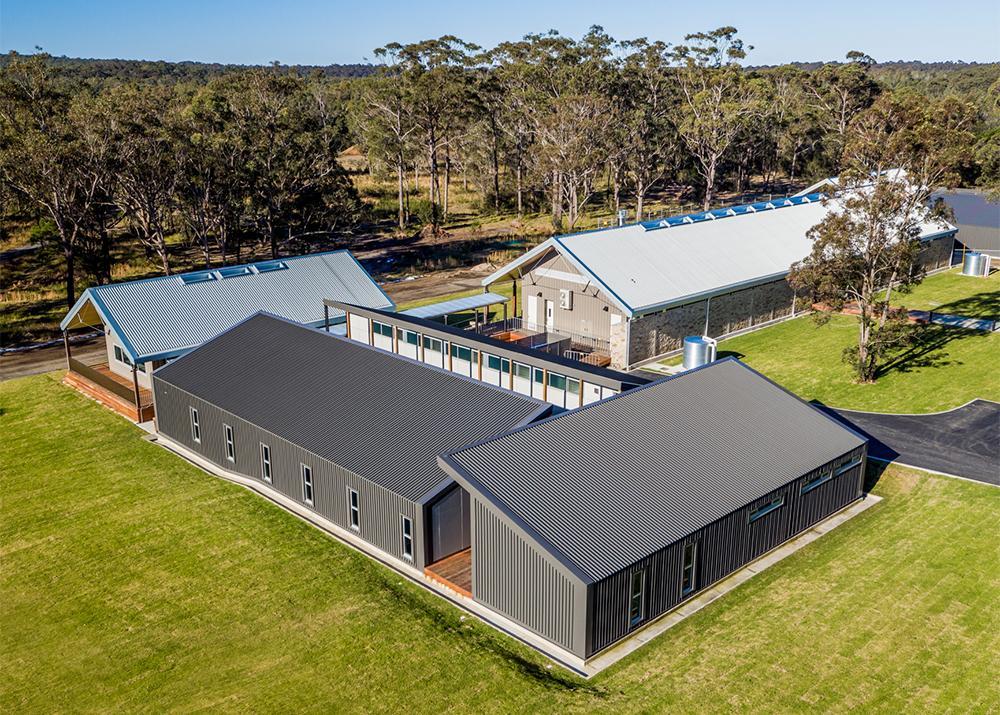
Green building is a design approach that integrates environmental, social, and economic considerations throughout a building's life cycle.
According to the Green Building Council Indonesia (2012), the concept includes sustainable site development, energy efficiency, water conservation, indoor environmental quality, building environmental management, and responsible material selection.
For architects, these principles are interconnected. Design decisions made during the early stages—from building orientation and roof form to material selection—directly influence the building's long-term operational performance.
Green Buildings Begin with the Building Envelope
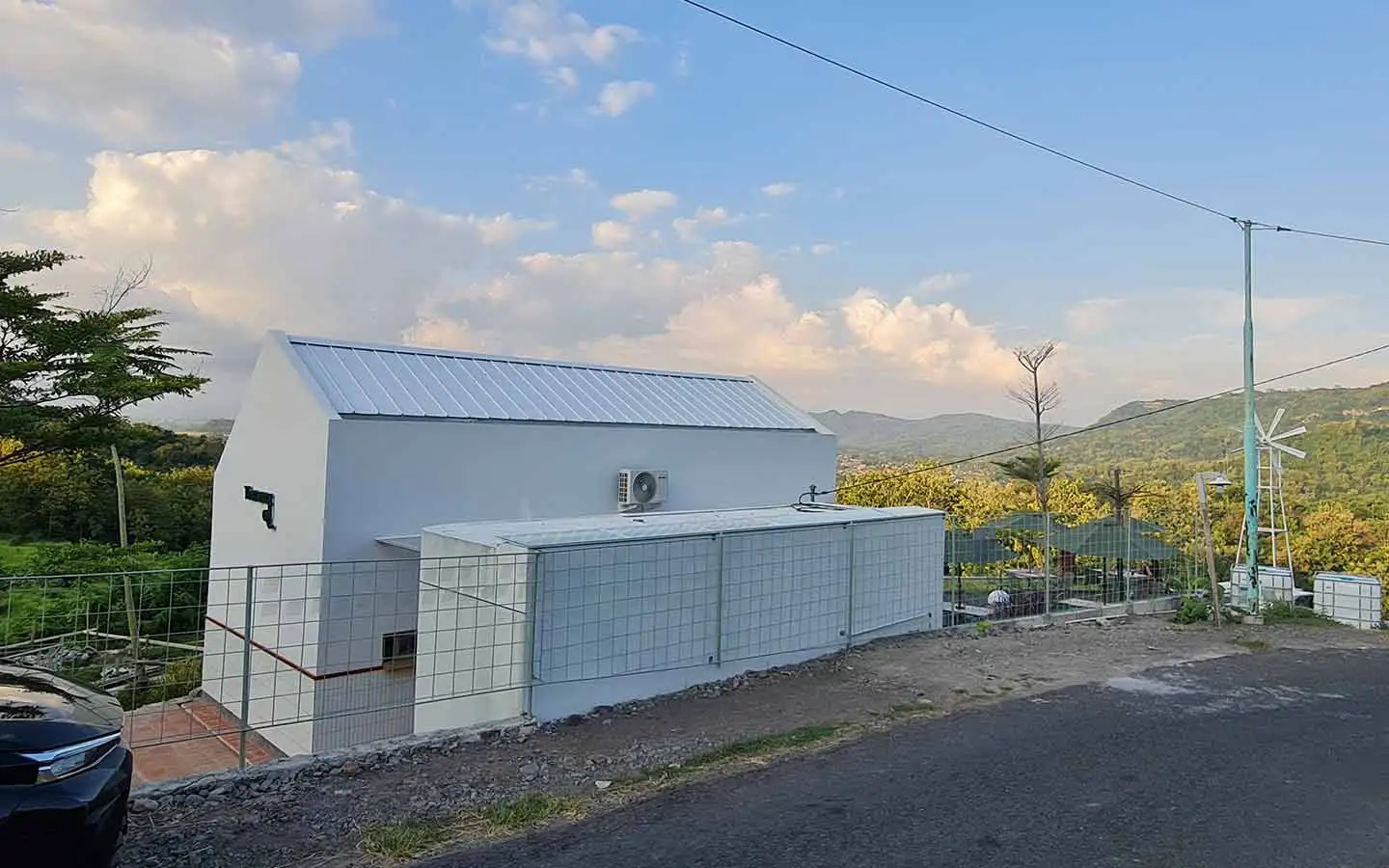
One of the key elements in creating a green building is the design of the building envelope. Roofs and façades regulate solar heat gain, natural daylight, and indoor comfort, making them essential components of an energy-efficient design strategy.
A similar approach can be found in wide-span buildings, where roofing and façade systems are designed not only to accommodate functional requirements but also to improve the building's overall environmental performance.
Materials Play an Important Role in Energy Efficiency
Roofing and façade materials directly influence the amount of heat transferred into a building.
For this reason, selecting appropriate materials becomes an effective strategy for reducing cooling demand while maintaining occupant comfort.
One example is Indonesia Arena, which combines sports facility design with sustainable architectural principles. During a construction visit, representatives from FIBA acknowledged Indonesia's commitment to developing a sports venue that embraces sustainability and energy efficiency.
Source: Antara News
This recognition demonstrates that every building component—from structural systems and roof design to material selection—contributes to creating sports facilities that are environmentally responsible and designed for long-term performance.
Green Architecture Requires Sustainable Materials
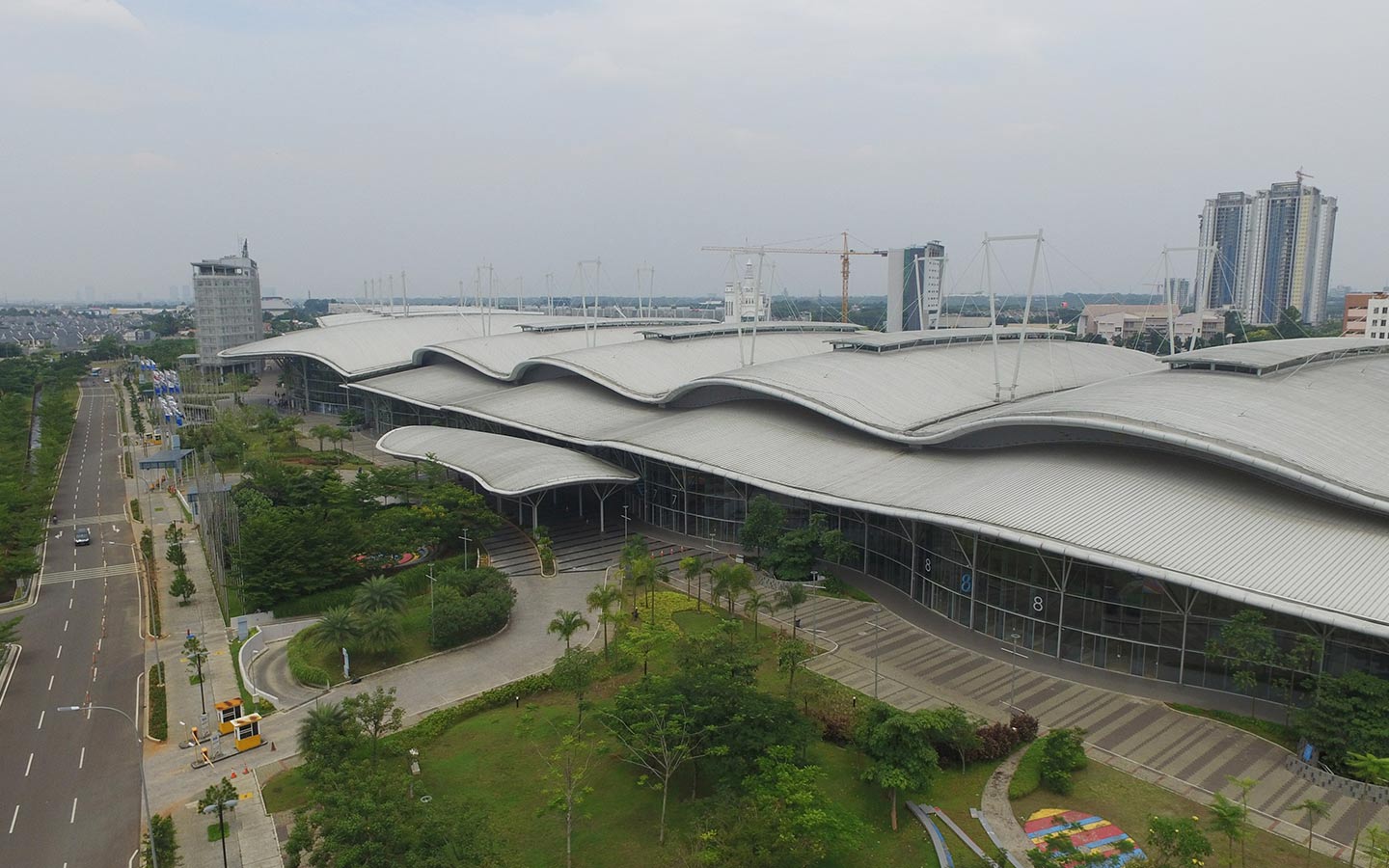
In green architecture, materials are evaluated not only for their appearance but also for their life-cycle performance. Materials with long service life, recyclability, and low maintenance requirements contribute significantly to sustainable buildings.
From the conceptual design stage, architects typically assess roofing and façade materials to ensure they support design objectives, construction efficiency, and long-term building performance.
This approach can also be seen across numerous commercial projects, where material selection becomes an integral part of the overall architectural strategy.
Looking for inspiration from the finalists and winners of the Steel Architectural Award 2024? Explore the COLORBOND® website to discover award-winning projects, including:
- Quantis Club House
- Pondok Indah Mall 3
- FNI Head Office
- Mayora Head Office Canteen
Pre-Painted Steel Supports Green Building Design
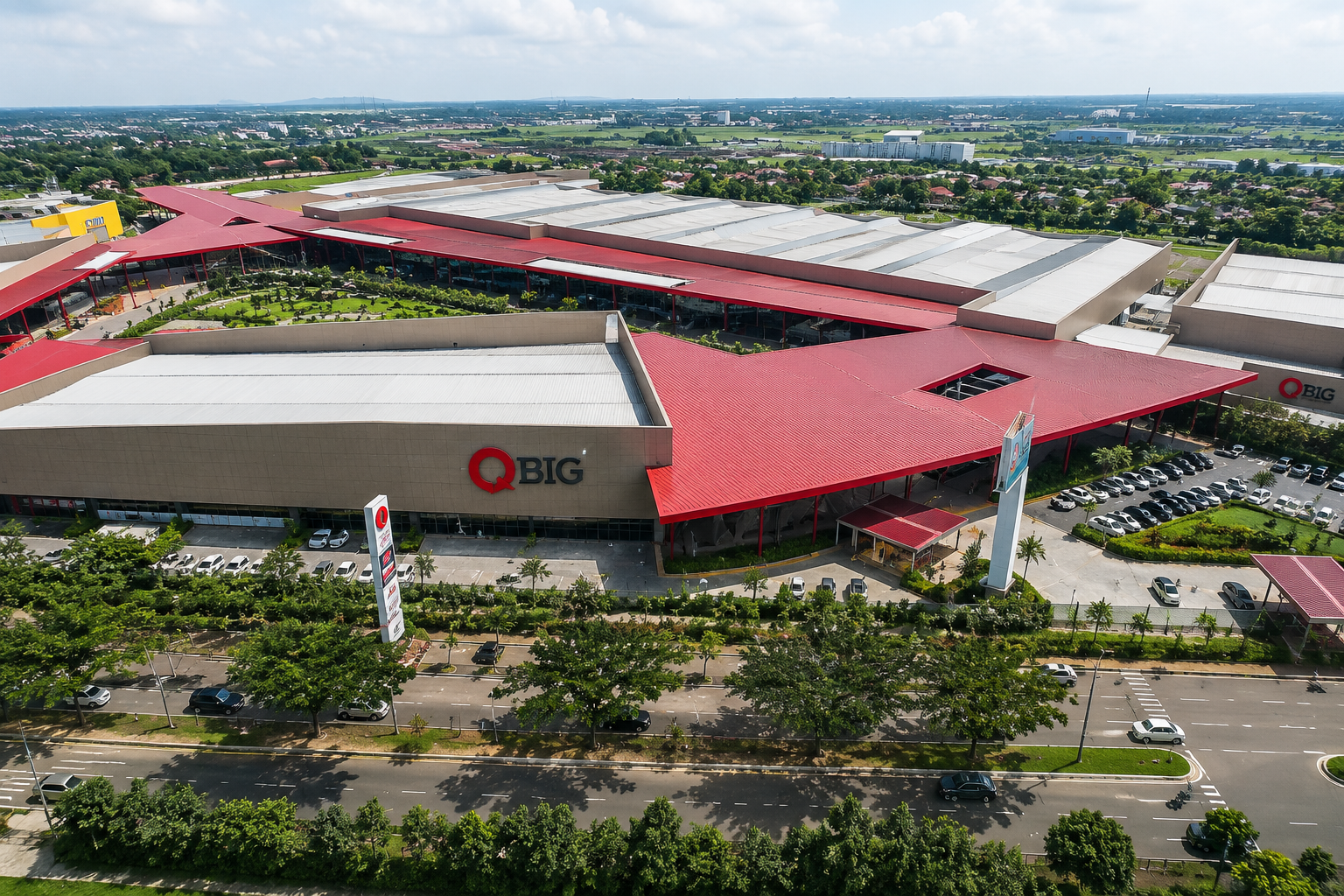
Material selection is one of the most important decisions in creating a green building. COLORBOND® Matt has been developed to support contemporary architecture with its matte finish, lightweight construction, and recyclable steel substrate.
Its broad range of colour options also provides architects with greater flexibility to create buildings that align with their architectural vision and desired visual identity.
Thermatech® Technology helps reduce heat absorption on roof surfaces, while Clean Technology helps maintain the material's appearance and supports maintenance efficiency. In addition, its low Gloss Unit (GU) value helps minimize glare in specific applications, including buildings located near airports.
These characteristics make COLORBOND® Matt suitable for a wide range of commercial projects that prioritize green building principles and sustainable architecture.
The success of a green building depends not only on its design concept but also on selecting materials that support long-term sustainability goals. Roofing and façade materials should accommodate architectural requirements while delivering performance suited to the building's function and local climate.
Through its commercial product range, COLORBOND® offers pre-painted steel solutions that support architectural creativity, maintenance efficiency, and the use of recyclable materials. Together, these characteristics make it a practical solution for delivering sustainable commercial buildings across a wide variety of project types.
Since every project presents unique design challenges and performance requirements, discussing material selection during the planning stage can help identify solutions that best align with the architectural concept, building performance, and sustainability objectives.
Frequently Asked Questions
What is a green building?
A green building is a building designed, constructed, and operated to maximize energy efficiency, conserve natural resources, improve environmental quality, and incorporate sustainable materials throughout its life cycle.
What is the difference between green building and green architecture?
Green building focuses on the overall performance of a building, while green architecture emphasizes design approaches that strengthen the relationship between buildings, users, and the surrounding environment.
Why is material selection important for sustainable buildings?
Building materials influence energy efficiency, service life, maintenance requirements, and recyclability, making them one of the key factors in achieving long-term sustainability.
References
Steel Architectural Award 2024 Finalist Projects (COLORBOND® Website)
- Quantis Club House
- Pondok Indah Mall 3
- FNI Head Office
- Mayora Head Office Canteen
Related Articles on the COLORBOND® Steel Website
- QBig BSD
- Indonesia Convention Exhibition (ICE BSD)
External Reference
- Antara News