21 Sep 2026
Exploring Modern Airport Architecture Through the Roof Design of Soekarno-Hatta International Airport Terminal 3
Exploring Modern Airport Architecture Through the Roof Design of Soekarno-Hatta International Airport Terminal 3
Share:


As one of Indonesia's primary air transportation gateways, Soekarno-Hatta International Airport Terminal 3 demonstrates how modern airport architecture can successfully combine spatial efficiency, visual identity, and operational performance within a single architectural concept.
One of its defining features is the roofing system, designed to cover expansive spaces while establishing the terminal's distinctive architectural character.
A similar design approach can also be found at Raja Haji Fisabilillah Airport, where the roof plays a central role in shaping both the building's identity and the passenger experience.
Terminal Roof Design as an Identity of Modern Architecture
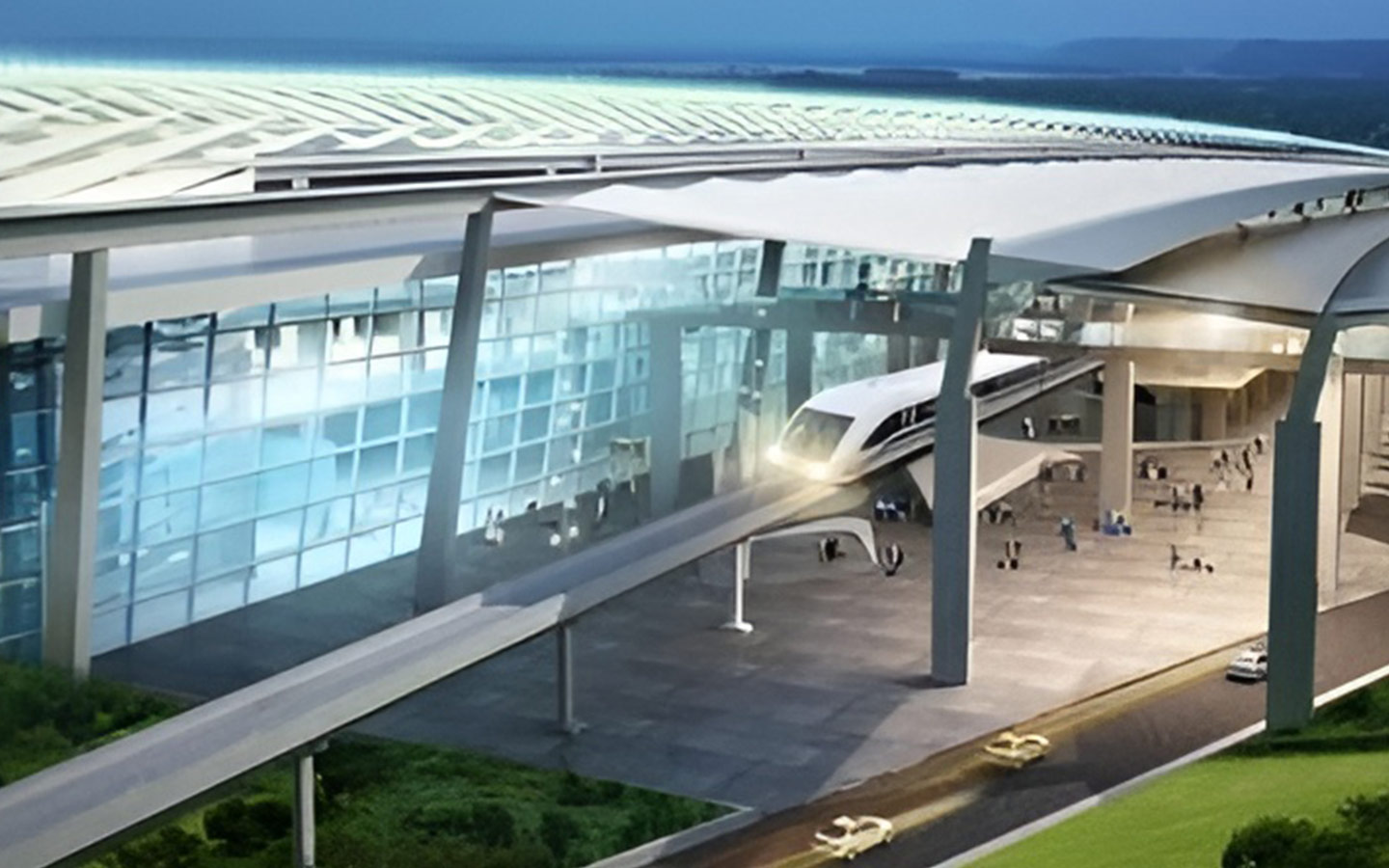
In airport architecture, the roof serves a purpose beyond weather protection. Its form, proportions, and material selection contribute significantly to the building's visual identity while supporting the operational requirements of large-volume spaces.
Wide-Span Structures Create Flexible Spaces
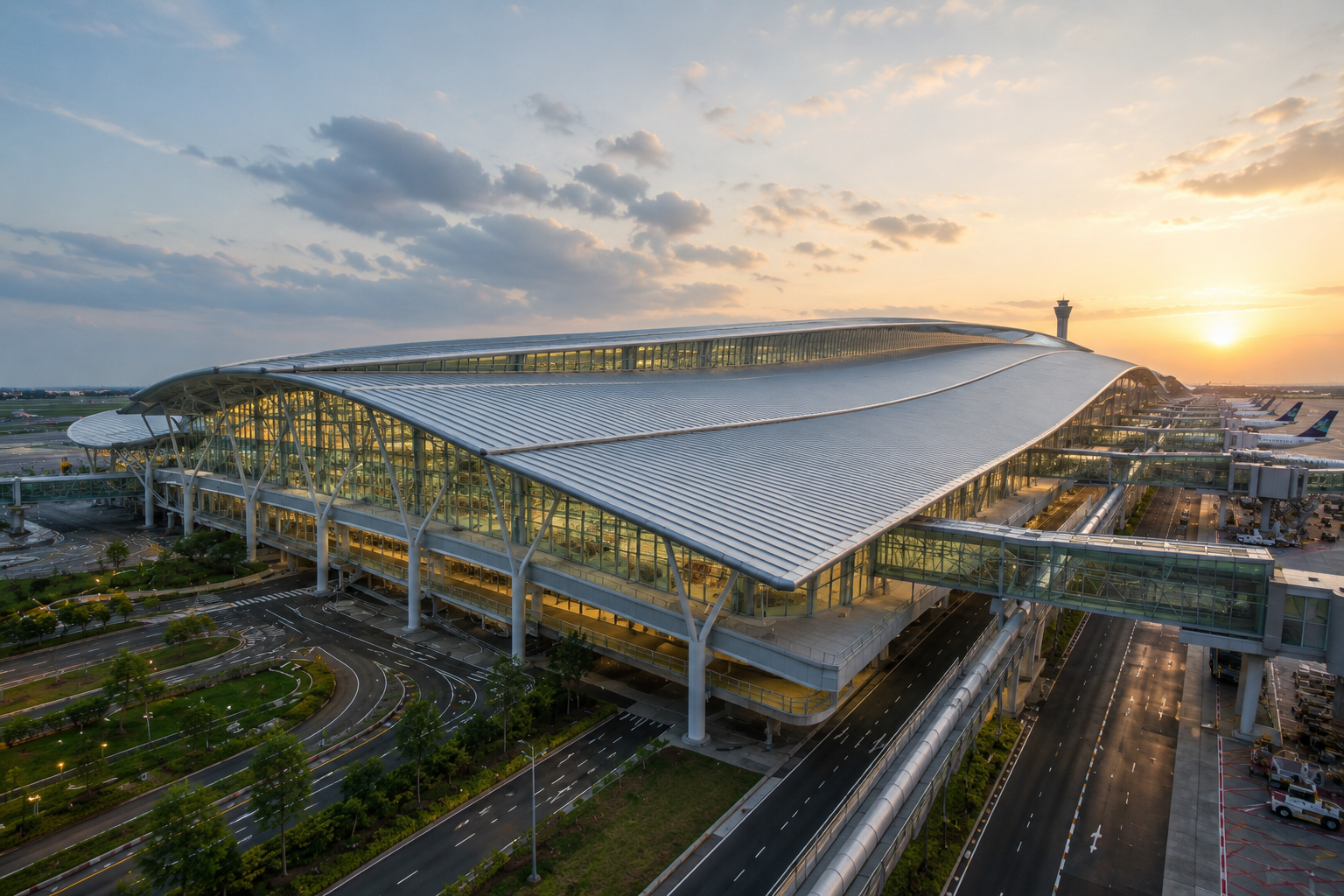
Terminal 3 adopts a wide-span structural system, creating large column-free spaces that facilitate smooth passenger circulation.
This approach provides architects with greater flexibility when organizing waiting lounges, departure halls, and circulation routes to ensure both comfort and operational efficiency.
A similar strategy is applied in other airport terminals that optimize structural systems and spatial planning, where the roofing system becomes an essential component of overall building performance.
Modern Architecture for Aviation Infrastructure
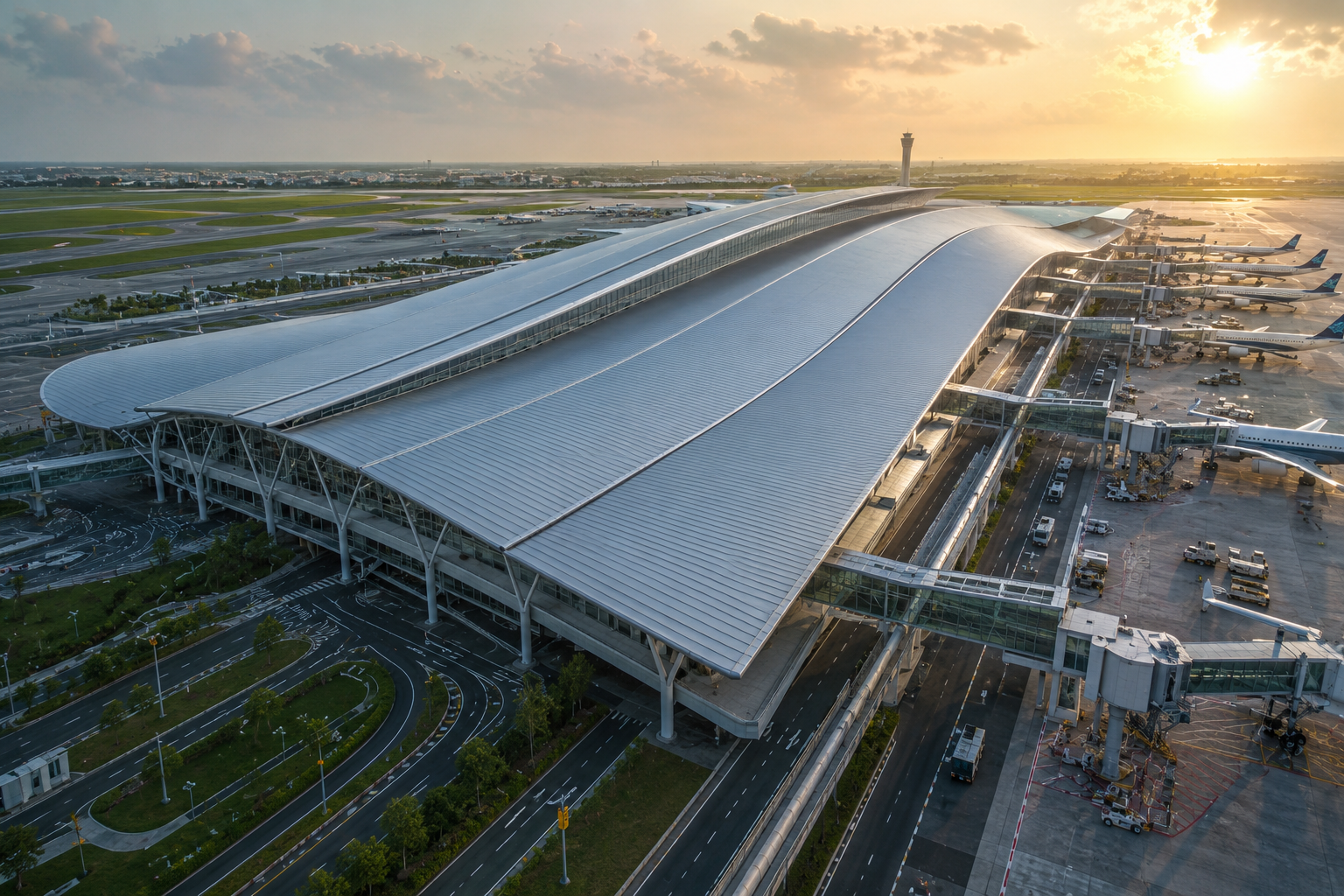
Modern airports are designed to accommodate growing passenger capacity while simultaneously improving operational efficiency and user experience. As a result, every building element—from structural systems and façades to roofing—works together as an integrated architectural solution.
During the conceptual design stage, architects carefully evaluate materials for infrastructure applications to ensure compatibility with design objectives, construction methods, and long-term building performance.
Soekarno-Hatta Terminal 3 was developed based on the Eco-Airport concept, integrating sustainability into both airport design and operations. Its landscape adopts a Tropical Rainforest theme, incorporating trees that help absorb pollutants, provide shade, and reduce the impact of solar heat on the building.
Source: IPB Repository
This sustainable approach can also be found across numerous modern infrastructure projects, demonstrating how material selection forms an essential part of architectural strategy for large-scale public facilities.
Looking for more inspiration from the finalists and winners of the Steel Architectural Award 2024? Explore the COLORBOND® website to discover projects such as:
- Jakarta International Stadium
- Indonesia Arena
- Loyola Student Center
Material Solutions for Modern Airport Architecture
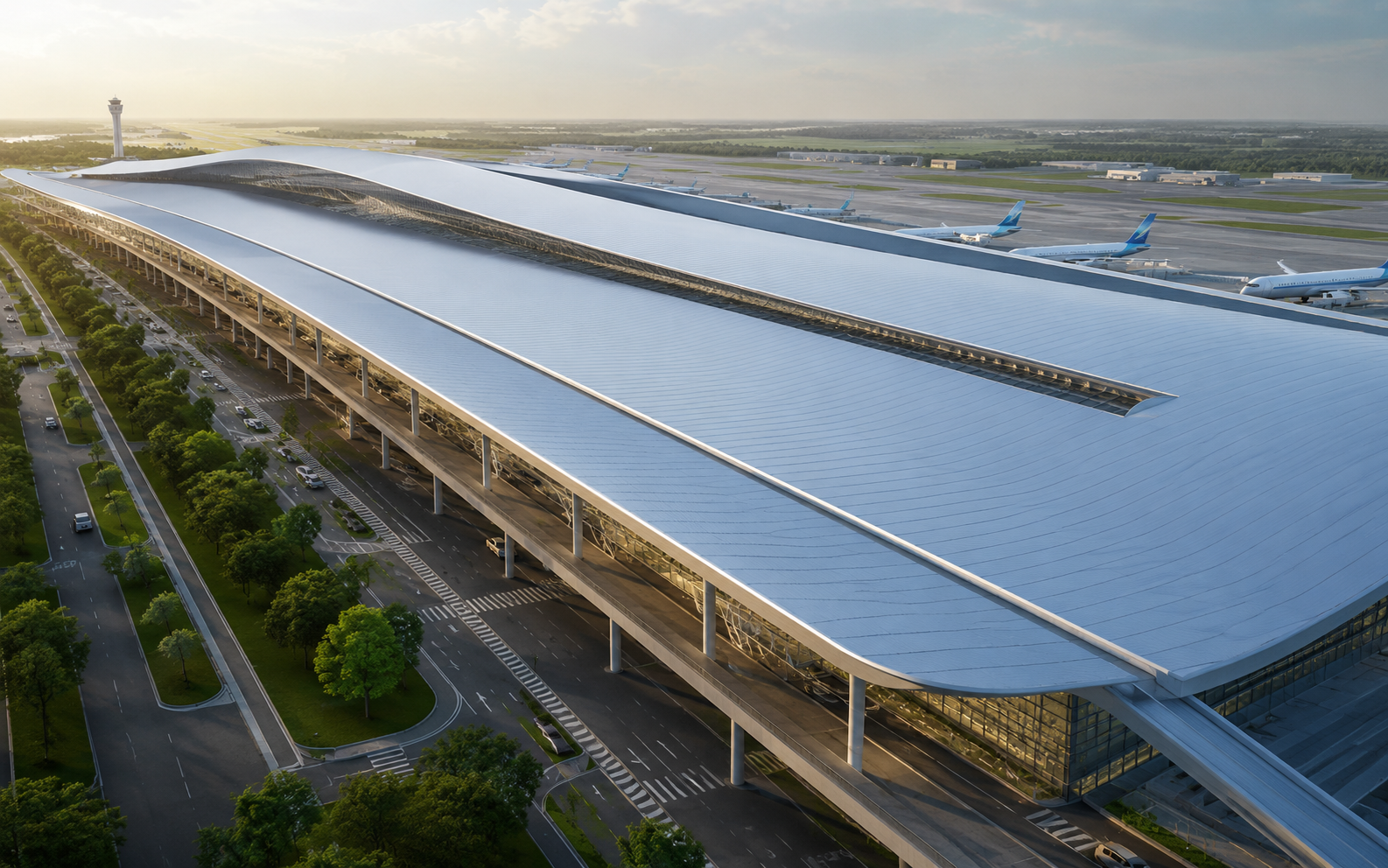
The success of modern airport architecture depends not only on architectural form but also on selecting materials that meet both functional and design requirements.
At Soekarno-Hatta International Airport Terminal 3, COLORBOND® Gull Grey roofing together with the LYSAGHT® KLIP-LOK® OPTIMA roofing system forms part of the solution for creating a terminal roof capable of spanning large areas while delivering a contemporary architectural appearance.
The Gull Grey finish complements the building's modern architectural character, while the roofing profile supports construction efficiency and long-term building performance.
Material selection for infrastructure projects should be considered from the earliest planning stages to ensure alignment with architectural concepts, operational requirements, and the intended character of the building.
Since every infrastructure project has unique technical and design requirements, consulting with the COLORBOND® Steel team during project planning can help identify roofing and material solutions that best suit the architectural concept, roofing system, and building function.
Frequently Asked Questions
What is modern airport architecture?
Modern airport architecture is a design approach that prioritizes efficient circulation, passenger comfort, and the integration of structural systems, roofing, façades, and building technologies.
Why do airport terminals use wide-span structures?
Wide-span structures create large column-free spaces, allowing greater flexibility for passenger movement and accommodating various operational functions.
Why is roof design important in airport terminals?
Roof design establishes the building's visual identity while supporting structural performance, passenger comfort, and operational efficiency within aviation facilities.
References
Steel Architectural Award 2024 Finalist Projects (COLORBOND® Website)
- Raja Haji Fisabilillah International Airport
- Jakarta International Stadium
- Indonesia Arena
- Loyola Student Center
Related Articles on the COLORBOND® Steel Website
- Raja Haji Fisabilillah International Airport
- Ahmad Yani International Airport, Semarang
External Reference
- IPB Repository